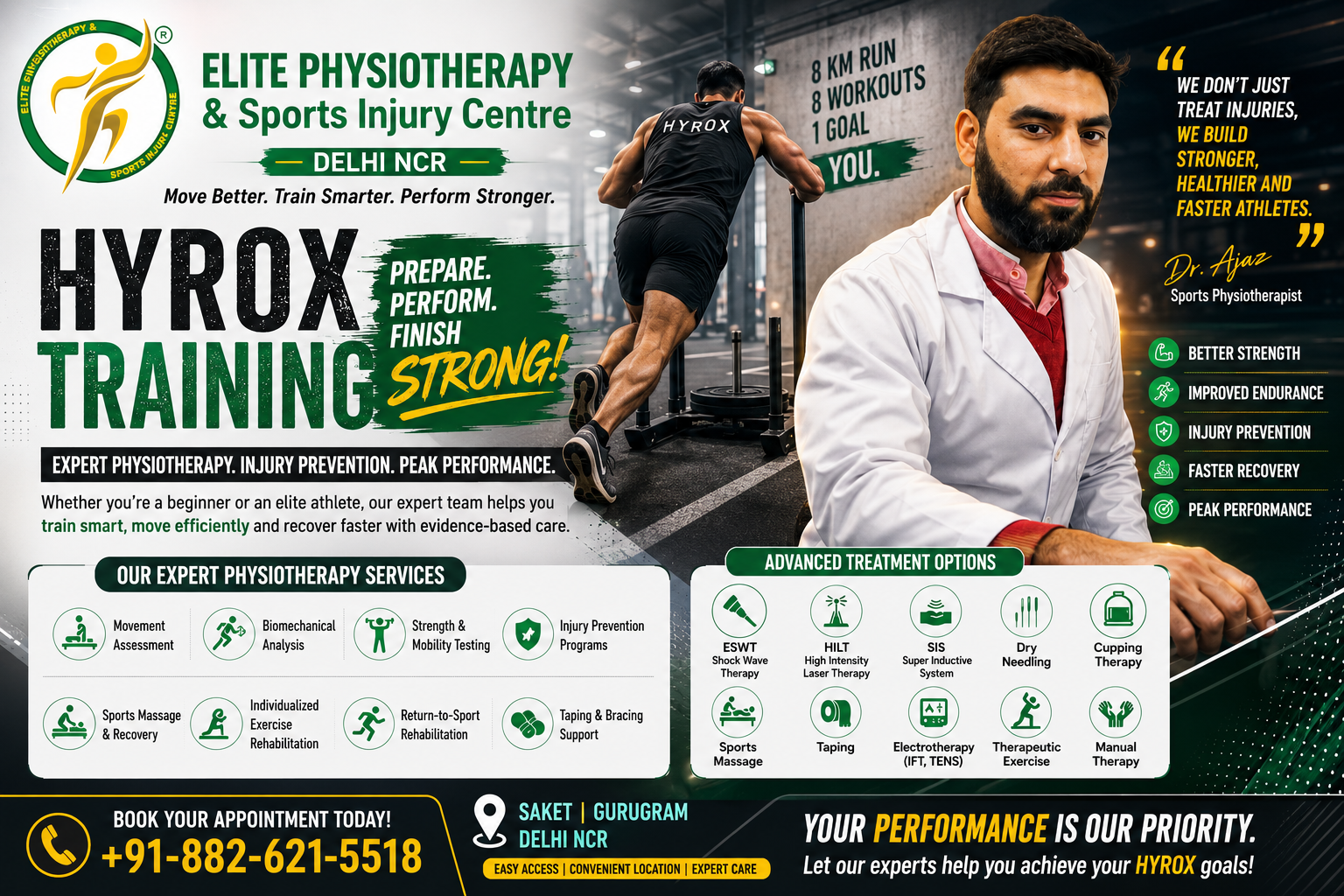
One of the fitness trends that is expanding the fastest in the world is HYROX training. HYROX blends running with practical strength exercises that nearly anyone can learn, in contrast to many fitness competitions that require extremely specific talents. Because of this, it draws both novices, recreational gym patrons, endurance athletes, and professional athletes.
HYROX Training offers an organized method to develop endurance, strength, power, and resilience, regardless of your objective—improving general fitness, getting ready for your first HYROX event, or competing at a high level. Additionally, athletes may track their development over time and compete on an even playing field regardless of location because all official races adhere to the same standardized format worldwide.
Accessibility is another factor contributing to HYROX’s explosive rise. HYROX does not require advanced technical abilities, in contrast to obstacle races or sport-specific tournaments. Rather, they concentrate on strengthening their functional strength, cardiovascular endurance, and basic movement patterns. As a result, people with diverse athletic backgrounds can take part with assurance.
Furthermore, HYROX exercise simultaneously develops several aspects of fitness. Instead of concentrating just on running or lifting weights, athletes learn how to manage tiredness while performing strenuous functional exercises. The physical demands of many sports and daily activities are remarkably similar to this mix.
But it takes more than just running farther or lifting bigger weights to get ready for HYROX. Equally crucial are intelligent programming, steady advancement, appropriate recuperation, and injury avoidance techniques. Athletes can benefit from evidence-based training techniques and physiotherapy advice.
What is HYROX Training?
A organized fitness training program called HYROX Training was created to get participants ready for the official HYROX fitness race. It blends functional strength exercises done in a set order with endurance jogging.
In contrast to conventional gym exercises that might primarily concentrate on cardiovascular or strength training, HYROX tests a variety of physical skills in a single event, such as:
Cardiovascular endurance
Muscular strength
Functional fitness
Power
Grip endurance
Core stability
Mental resilience
Movement efficiency
Since every HYROX event follows the same standardized race format worldwide, athletes can compare their race times across different cities and countries.
History of HYROX
Christian Toetzke, a seasoned sports event planner, and Moritz Münste, a two-time Olympic gold medallist in field hockey, created HYROX in Germany in 2017.
Their goal was to establish a worldwide fitness championship that would unite functional fitness with endurance racing. Regardless of where they competed, they desired an event where competitors could fairly compare their performances.
HYROX has the exact same race structure in every event worldwide, in contrast to obstacle races that alter course design annually.
Purpose of HYROX Training
Preparing athletes for the particular physical demands of a HYROX race is the main objective of HYROX training.
Nonetheless, this training approach is beneficial even for those who do not intend to compete.
HYROX Training aims to improve:
Cardiovascular endurance
During extended periods of exercise, athletes learn to sustain a high work rate.
Functional strength
Instead than focusing on discrete muscle training, exercises replicate real-life movement patterns.
Running economy
Effective running technique becomes crucial since running makes up half of the entire race distance.
Muscular endurance
Participants improve their capacity to maintain performance by regularly engaging in taxing workouts while exhausted.
Movement efficiency
Improved movement quality lowers wasteful energy use and boosts productivity.
Mental toughness
HYROX teaches athletes how to retain good training technique while working beyond exhaustion.
Competition Format
One of HYROX’s greatest strengths is its standardized race format.
Every official event consists of:
Component
Requirement
Total Running Distance
8 km
Number of Runs
Eight 1-km runs
Functional Stations
8
Race Environment
Indoor
Format
Standardized Worldwide
Every athlete switches between one functional exercise station and running.
This implies that participants never work out at two stations in a row.
Rather, a one-kilometer run separates each station.
The circulatory and muscular systems are constantly put to the test by this alternating arrangement.
Race Categories
HYROX offers several divisions so athletes of different fitness levels can participate.
Category
Suitable For
Open
Beginners and recreational athletes
Pro
Experienced competitors with heavier loads
Doubles
Two athletes sharing the workout stations
Relay
Four athletes completing different sections
Adaptive
Athletes with physical impairments (at select events)
How Does a HYROX Race Work?
One of the most unique aspects of HYROX is its predictable race sequence.
Every participant completes:
Run 1 km
Workout Station
Run 1 km
Workout Station
Until all eight exercise stations are finished, this process is repeated.
The race requires constant switching between high-intensity functional activities and endurance jogging. Athletes must therefore effectively manage their energy in order to sustain performance throughout the competition.
Sequence of Events
The official HYROX race follows this exact order:
Order
Activity
1
1 km Run
2
SkiErg
3
1 km Run
4
Sled Push
5
1 km Run
6
Sled Pull
7
1 km Run
8
Burpee Broad Jump
9
1 km Run
10
RowErg
11
1 km Run
12
Farmer’s Carry
13
1 km Run
14
Sandbag Lunges
15
1 km Run
16
Wall Balls
Every athlete, regardless of age group or location, completes the same sequence.
Why the Running Matters
A common misconception among novices is that HYROX is primarily a strength competition. In actuality, a significant amount of the race time is spent jogging.
Cumulative weariness is produced by the repeated one-kilometer runs. Because of this, even though the exercise is technically straightforward, each consecutive workout station feels increasingly difficult.
As a result, successful athletes train for aerobic capacity, effective pacing, and seamless transitions between running and functional motions in addition to strength.
The Eight Functional Workout Stations
Each station targets different physical qualities, making HYROX a comprehensive test of overall fitness.
SkiErg
The motion of cross-country skiing is replicated by the SkiErg. It requires synchronized, rhythmic movement and mainly tests the upper body, core, and cardiovascular system.
Sled Push
A heavily loaded sled is pushed over a certain distance by athletes. Strength, power, core stability, and powerful leg drive are required for this station.
Sled Pull
Using a rope, participants pull the sled in their direction while keeping their bodies still. Coordination, posterior chain muscles, and grip strength are all crucial.
Burpee Broad Jump
This exercise blends a forward jump with a burpee. Because it tests strength, endurance, and full-body coordination, it is among the most physically taxing stations.
RowErg
The rowing machine works the arms, legs, hips, and back while building cardiovascular endurance. Effective rowing technique helps save energy for the remainder of the race.
Farmer’s Carry
Heavy kettlebells are carried over a certain distance by athletes. Grip, shoulders, core, and general postural stability are all strengthened by this exercise.
Sandbag Lunges
Weighted walking lunges assess muscular endurance, hip stability, lower-limb strength, and balance. To lessen needless strain on the lower back and knees, proper technique is crucial.
Wall Balls
Athletes must repeatedly squat while tossing a medicine ball to a target at the final station. Here, fatigue is typically at its peak, therefore breathing control and movement efficiency are crucial.
Benefits of HYROX Training
There is much more to HYROX training than just getting ready for a workout. It is a comprehensive training program that builds strength, speed, mobility, endurance, and mental toughness. Instead than concentrating on just one aspect of fitness, it challenges the complete body by combining running with functional activities. HYROX Training can produce quantifiable outcomes whether your objective is to compete, lose weight, or improve your health.
Improves Cardiovascular Fitness
Builds Functional Strength
Supports Fat Loss
Enhances Athletic Performance
Improves Functional Fitness
Develops Mental Toughness
Improves Injury Resilience
Who Can Participate in HYROX?
Accessibility is one of HYROX’s best features.
Participants do not require advanced technical ability to begin, in contrast to many competitive sports.
Every year, people with different levels of fitness successfully finish HYROX races. They can be:
Beginners
Recreational Gym-Goers
Runners
Cross-Training Athletes
Team Events
Professional Athletes
How to Train for HYROX
There is more to getting ready for a HYROX event than just lifting big weights and running vast distances. Rather, effective athletes integrate mobility, strength, endurance, functional fitness, and recuperation into a planned training regimen. While lowering the risk of injury, performance can be enhanced by adhering to evidence-based training methods.
Training volume and intensity are progressively increased in the best HYROX training programs. As a result, novices should refrain from taking on too much at once. A stepwise strategy increases general fitness while enabling the body to adjust safely.
Common Mistakes Beginners Make
Although many novice athletes are enthusiastic, passion is insufficient on its own. Preventing typical errors can enhance development and lower the chance of harm.
Running Too Fast During Every Session
Ignoring Strength Training
Skipping Mobility
Increasing Training Volume Too Quickly
Poor Exercise Technique
Neglecting Recovery
Using the Wrong Footwear
Ignoring Early Signs of Pain
Injury Risks During HYROX Training
Because HYROX Training incorporates repetitive functional strength workouts with high-volume jogging, it is physically taxing. Training can be both safe and successful if it is progressed appropriately and proper technique is maintained. However, the risk of injury may rise if training load is increased too quickly, if poor movement mechanics are used, or if recuperation is neglected.
Athletes can identify early warning indicators and seek proper treatment before a minor issue develops into a long-term setback by being aware of common injuries like:
Knee Pain
Shoulder Injuries
Low Back Pain
Achilles Tendinopathy
Shin Splints
Plantar Fasciitis
Muscle Strains
Role of Physiotherapy in HYROX Training
HYROX players can enhance their movement efficiency, lower their risk of injury, recover safely, and prepare for competition with the aid of sports physiotherapy. Physiotherapists evaluate the complete movement system to find variables that may affect performance and injury risk rather than just treating pain.
Evidence-based physiotherapy at Elite Physiotherapy and Sports Injury Centre helps both novice and seasoned athletes train with confidence by combining clinical evaluation with customized rehabilitation and performance training.
Injury Prevention
Prevention is always better than treatment.
A physiotherapist can identify:
Muscle weakness
Joint stiffness
Poor movement patterns
Training errors
Recovery deficits
Addressing these issues early may reduce the likelihood of overuse injuries.
At Eite Physiotherapy & Sports Injury Centre we do:
One of the most thorough and satisfying fitness regimens on the market right now is HYROX Training. It promotes cardiovascular fitness, muscular strength, power, mobility, coordination, and mental resilience in a single training regimen by fusing functional strength exercises with endurance running.
Strength and stamina are not the only factors that influence success in HYROX. Rather, it relies on good recovery, increasing overload, balanced preparation, and constant focus on movement quality. Whether you are an experienced athlete striving for a personal best or a novice getting ready for your first race, adhering to an organized training plan and honoring recovery principles can help you reach your maximum potential.
Realizing that pain should never be disregarded is equally crucial. Your body may require a professional evaluation if you have ongoing pain, restricted movement, or recurrent injuries. Early intervention can stop minor issues from developing into significant setbacks.
Our skilled sports physiotherapists at Elite Physiotherapy and Sports Injury Centre offer evidence-based treatment specifically designed to meet the needs of HYROX athletes. We help athletes safely prepare, recover, and maximize long-term performance through comprehensive movement analysis, biomechanical assessment, strength testing, mobility evaluation, individualized rehabilitation, and contemporary treatment options like Extracorporeal Shock Wave Therapy (ESWT), High-Intensity Laser Therapy (HILT), Super Inductive System (SIS), Dry Needling, Cupping Therapy, Sports Massage, Sports Taping, and customized exercise rehabilitation—when clinically appropriate.
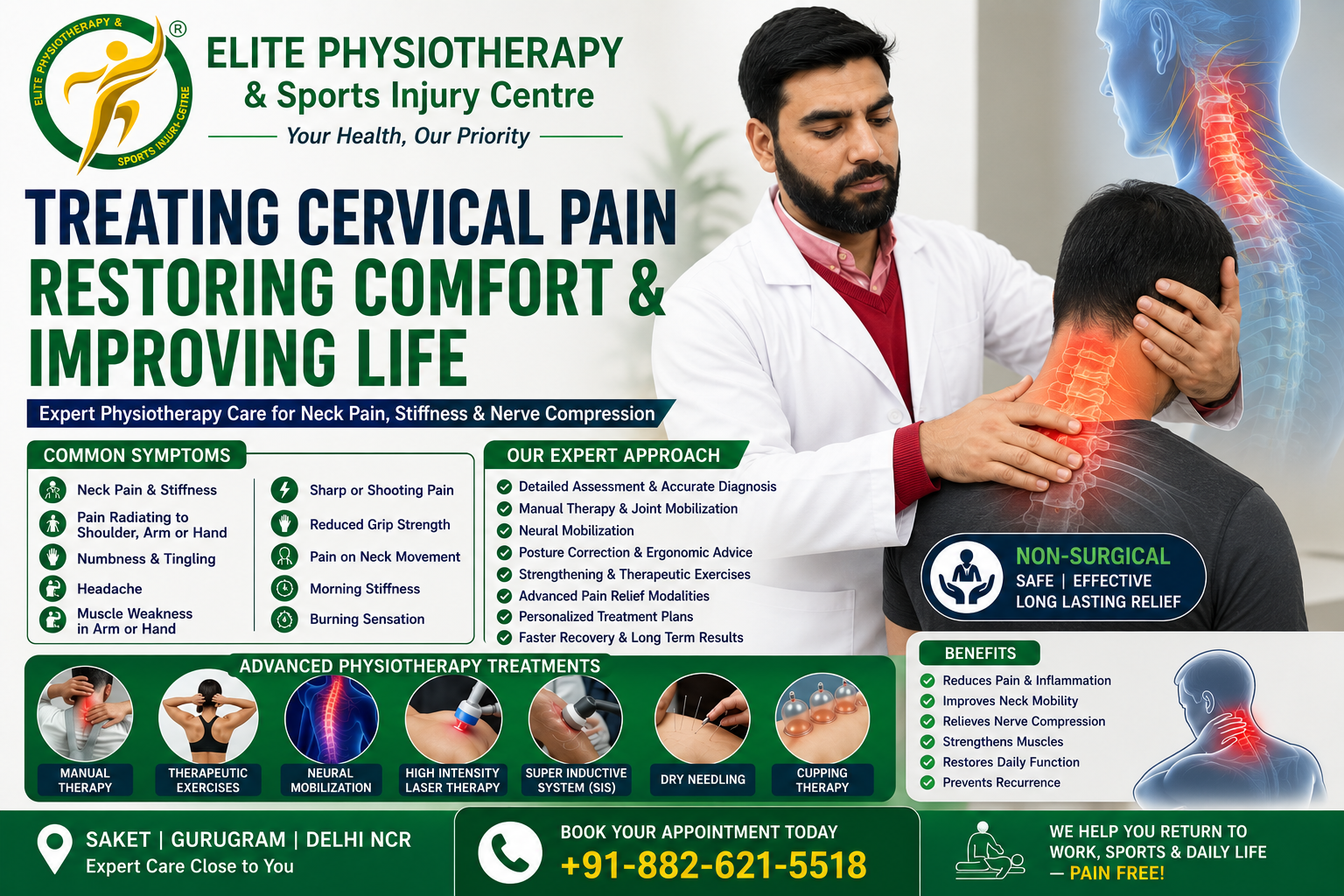
It can be concerning if neck pain extends to the fingers, arm, or shoulder. Fortunately, with the correct care, many people make a full recovery. One of the best non-surgical methods for easing pain, regaining strength, and facilitating a safe return to everyday activities is cervical radiculopathy physiotherapy. Our team at Elite Physiotherapy & Sports Injury Centre offers patients in Delhi NCR evidence-based rehabilitation programs. Whether you’re looking for physiotherapy, physiotherapy Saket, physiotherapy Delhi, premium physiotherapy, or physiotherapy near me, our individualized rehabilitation programs are designed to treat the underlying cause rather than just cover up symptoms.
Physiotherapy, in contrast to short-term pain management techniques, aims to improve spinal mobility, lessen nerve irritation, restore muscular strength, correct posture, and stop further occurrences. Early intervention frequently results in quicker healing.
What is Cervical Radiculopathy?
One or more nerves that exit the cervical spine can become compressed, irritated, or inflamed in cervical radiculopathy. The shoulders, arms, hands, and fingers get these nerves from the neck. Compression disrupts normal nerve function, which can result in pain, tingling, numbness, or weakness in the muscles.
The ailment is frequently referred to as a “pinched nerve in the neck.” Although this explanation is simple to comprehend, the real issue typically involves alterations surrounding the spinal nerve root. These alterations might happen immediately following trauma or prolonged stress, or they can evolve gradually with aging.
Certain parts of the upper limb receive feeling from each cervical nerve root. Additionally, each neuron regulates certain muscles. As a result, symptoms differ according on the level of the damaged nerve.
Excellent results are frequently obtained with cautious treatment. Surgery is only used in some situations where there are severe neurological deficits, compression of the spinal cord, or symptoms that do not go away after extensive rehabilitation.
Understanding the Cervical Spine
Seven vertebrae, numbered C1 through C7, make up the cervical spine. The head is supported by these vertebrae, which also provide an amazing range of mobility. An intervertebral disc, which serves as a shock absorber, is located between the majority of vertebrae.
Important structures include:
Cervical vertebrae
Intervertebral discs
Facet joints
Ligaments
Muscles
Neural foramina are tiny holes through which the spinal nerves emerge. Nerve compression may happen when these holes shrink or when surrounding tissues swell.
Appropriate coordination between muscles, joints, ligaments, and nerves is necessary for healthy movement. Over time, even a small imbalance might put more strain on cervical tissues.
How Cervical Radiculopathy Develops
When there is less room for a nerve root, the ailment typically manifests. The nerve is under more pressure and normal nerve conduction is disrupted when there is less room.
Compression may result from:
Bulging intervertebral discs
Herniated discs
Bone spurs
Degenerative arthritis
Thickened ligaments
Joint inflammation
Traumatic injury
Pain sensitivity is further increased by inflammatory substances secreted near the pinched nerve. As a result, symptoms could last even after the original mechanical compression subsides.
Patients may progressively experience muscle weakness, diminished coordination, and difficulties in daily activities if they are not well managed.
Causes of Cervical Radiculopathy
Cervical Disc Herniation
Cervical Spondylosis
Foraminal Stenosis
Degenerative Disc Disease
Acute Trauma
Poor Posture
Repetitive Occupational Stress
Sports-Related Causes
Signs and Symptoms
Neck pain that radiates into the shoulder, arm, forearm, or hand
Sharp, shooting, or electric shock-like pain
Burning pain along the arm
Tingling sensation (pins and needles)
Numbness in specific fingers
Muscle weakness in the shoulder or arm
Reduced grip strength
Difficulty lifting objects
Pain while turning the head
Increased pain during coughing or sneezing
Morning neck stiffness
Muscle tightness around the neck and shoulder
Reduced cervical range of motion
Arm fatigue during prolonged activities
Difficulty performing overhead work
Reduced hand coordination in severe cases
When Should You Seek Immediate Medical Attention?
Sudden loss of arm strength
Progressive muscle weakness
Difficulty walking
Loss of balance
Problems with bowel or bladder control
Severe trauma
Persistent night pain
Fever with neck pain
Unexplained weight loss
Signs of spinal cord compression
Physiotherapy Management of Cervical Radiculopathy
Pain Management During the Early Stage
Avoid prolonged neck flexion
Avoid repeated overhead activities
Limit heavy lifting temporarily
Maintain gentle neck movement
Avoid complete bed rest
Change posture regularly
Use appropriate neck support during prolonged sitting
Cervical radiculopathy can have a major impact on daily activities, sports, and employment. For the majority of patients, however, early diagnosis and evidence-based physical therapy can result in great outcomes.
Pain is lessened, function is restored, and recurrence is avoided with a thorough rehabilitation program that incorporates patient education, manual therapy, therapeutic exercise, neural mobilization, postural correction, and suitable advanced modalities.
Our team at Elite Physiotherapy & Sports Injury Centre focuses on determining the underlying cause of your symptoms and developing a personalized treatment plan to enable you to resume your regular activities with confidence.
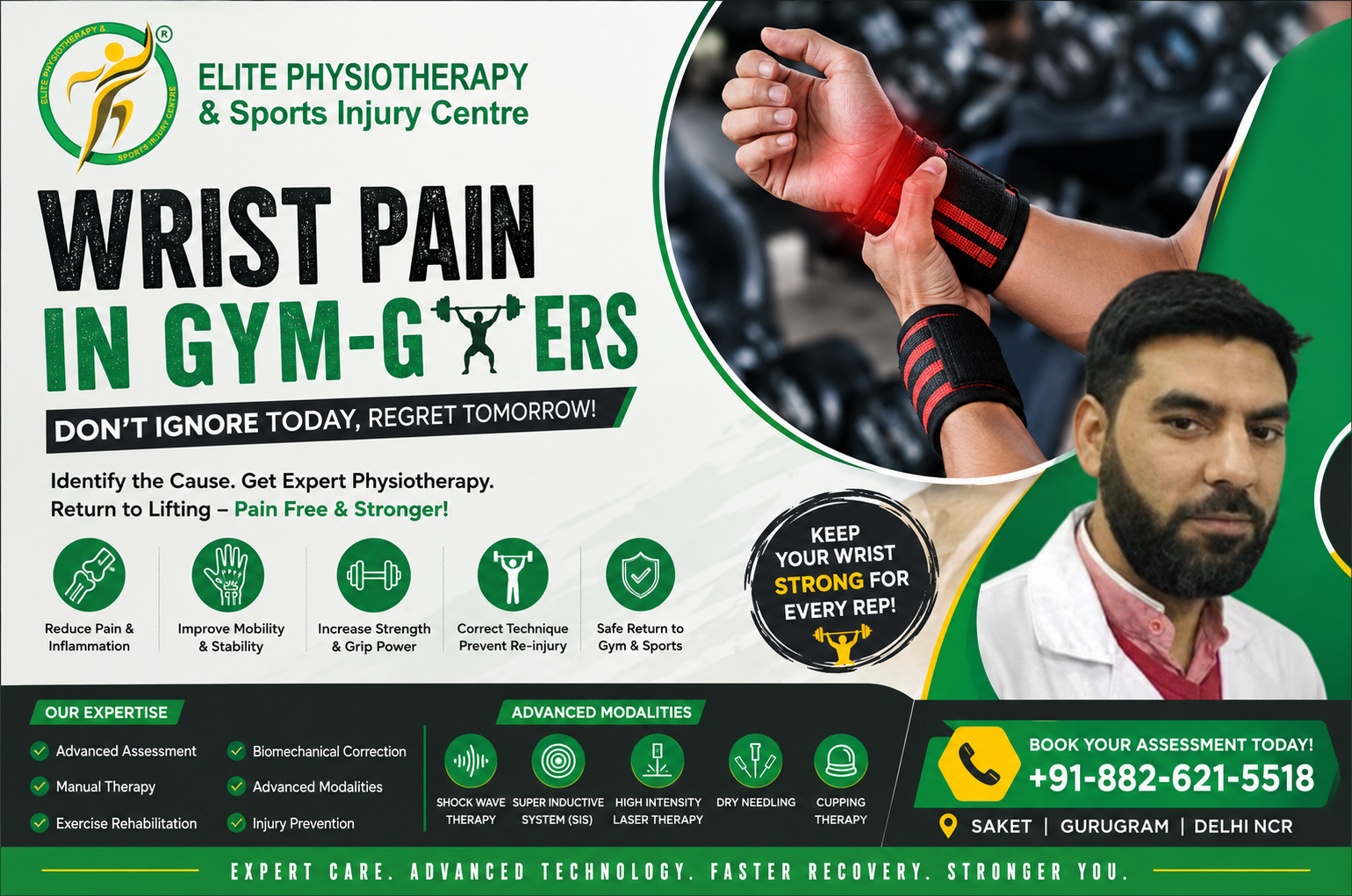
Fitness enthusiasts, recreational lifters, CrossFit athletes, bodybuilders, calisthenics athletes, and powerlifters are increasingly experiencing wrist pain. Ignoring wrist pain can eventually result in chronic pain, decreased grip strength, limited lifting capacity, and extended absences from training, despite the fact that many people view it as a minor problem.
In practically all upper limb workouts, the wrist is an essential component. It maintains stability and mobility while transferring force from the forearm to the hand. Exercises that put a lot of strain on the wrist joint include the bench press, push-ups, overhead press, front squats, deadlifts, cleans, snatches, dips, handstands, and burpees. As a result, tissue irritation and damage are frequently caused by repeated loading without sufficient mobility, strength, or recuperation.
For this reason, early diagnosis is crucial. In addition to relieving pain, appropriate physiotherapy finds the root cause and fixes improper movement patterns. This method enables people to safely resume training and helps prevent recurrent injuries.
Our team at Elite Physiotherapy and Sports Injury Centre offers thorough evaluation and evidence-based rehabilitation to athletes, fitness enthusiasts, and active people in Delhi NCR. Whether you’re looking for physiotherapy in Saket, Delhi, or nearby, our team’s goal is to assist you safely resume your chosen level of activity while recovering pain-free movement.
What is Wrist Pain in Gym-Goers?
For gym-goers, wrist pain is any discomfort, inflammation, or damage to the wrist’s bones, ligaments, tendons, cartilage, muscles, nerves, or joint capsule that occurs during or after resistance exercise.
Gym-related wrist discomfort frequently develops gradually, in contrast to abrupt acute injuries. Over weeks or months, small quantities of recurrent stress build up. Pain and decreased performance eventually come from the tissues’ inability to heal in between exercises.
The wrist is made up of several tiny joints that cooperate to give it stability and range of motion. These joints can withstand significant compressive, tensile, and rotational forces when lifting weights. Injury is more possible when these forces are greater than the tissue’s capacity.
Depending on the injured structure, pain may arise from:
Tendons
Ligaments
Joint capsule
Cartilage
Carpal bones
Nerves
Muscles
Synovial tissue
Why is the Wrist Vulnerable During Gym Training?
Instead of bearing a lot of weight, the wrist is made for precise movement. However, the wrist must be able to withstand repeated high loads in order to perform modern gym routines.
Several exercises significantly increase wrist stress, including:
Bench Press
Push-ups
Handstands
Clean and Jerk
Snatch
Front Squats
Overhead Press
Dips
Burpees
Heavy Deadlifts
Kettlebell Exercises
Olympic Weightlifting
Barbell Rows
Many individuals also train despite stiffness, fatigue, or previous injuries. As a result, tissues receive insufficient recovery, increasing the likelihood of overuse injuries.
Common Causes of Wrist Pain in Gym-Goers
Many conditions may cause wrist pain. Identifying the exact cause is the first step toward effective treatment.
Tendinopathy
Wrist Sprain
Triangular Fibrocartilage Complex (TFCC) Injury
De Quervain’s Tenosynovitis
Carpal Instability
Ganglion Cyst
Carpal Tunnel Syndrome
Stress Fractures
Osteoarthritis
Technique Errors
Clinical Features and Symptoms of Wrist Pain in Gym-Goers
Pain Characteristics
Patients may experience:
Sharp pain during lifting
Dull aching after workouts
Localized tenderness
Deep joint pain
Pain during push-ups
Pain while gripping weights
Pain during wrist extension
Pain during wrist flexion
Pain during twisting movements
Functional Limitations
Many gym-goers notice:
Reduced grip strength
Difficulty lifting heavy weights
Reduced push-up capacity
Poor hand endurance
Difficulty opening jars
Pain while typing
Pain while carrying objects
Fear of loading the wrist
Physiotherapy Management of Wrist Pain in Gym-Goers
Pain Management
Ice application during the acute stage.
Heat before mobility exercises when stiffness predominates.
Why Choose Elite Physiotherapy and Sports Injury Centre?
The evaluation and treatment of sports injuries, overuse disorders, and musculoskeletal issues associated to the gym are our areas of expertise at Elite Physiotherapy and Sports Injury Centre.
Instead of managing symptoms, our team offers individualized treatment plans based on thorough clinical evaluation.
Our approach includes:
Comprehensive physiotherapy assessment
Individualised rehabilitation programmes
Manual therapy
Progressive exercise therapy
Sports-specific rehabilitation
Biomechanical analysis
Movement correction
Return-to-gym planning
Injury prevention education
Advanced physiotherapy technology
Conclusion
Gym-goers’ wrist pain should never be disregarded. If treatment is not received, what starts out as minor discomfort might eventually develop into tendon injuries, ligament sprains, joint instability, or nerve compression. Fortunately, the majority of wrist disorders can be effectively managed without surgery with early diagnosis and skilled treatment.
Reducing pain, increasing strength, regaining mobility, fixing poor movement patterns, and gradually reintroducing the patient to gym activities should all be the main goals of a thorough rehabilitation program. Instead of just covering up symptoms, long-term success requires addressing the root cause.
To help patients heal quickly and reduce the chance of further injuries, our team at Elite Physiotherapy and Sports Injury Centre combines thorough clinical evaluation, evidence-based physiotherapy, cutting-edge rehabilitation equipment, and customized exercise regimens. In addition to reducing pain, our objectives include boosting performance, boosting self-esteem, and promoting long-term musculoskeletal health.
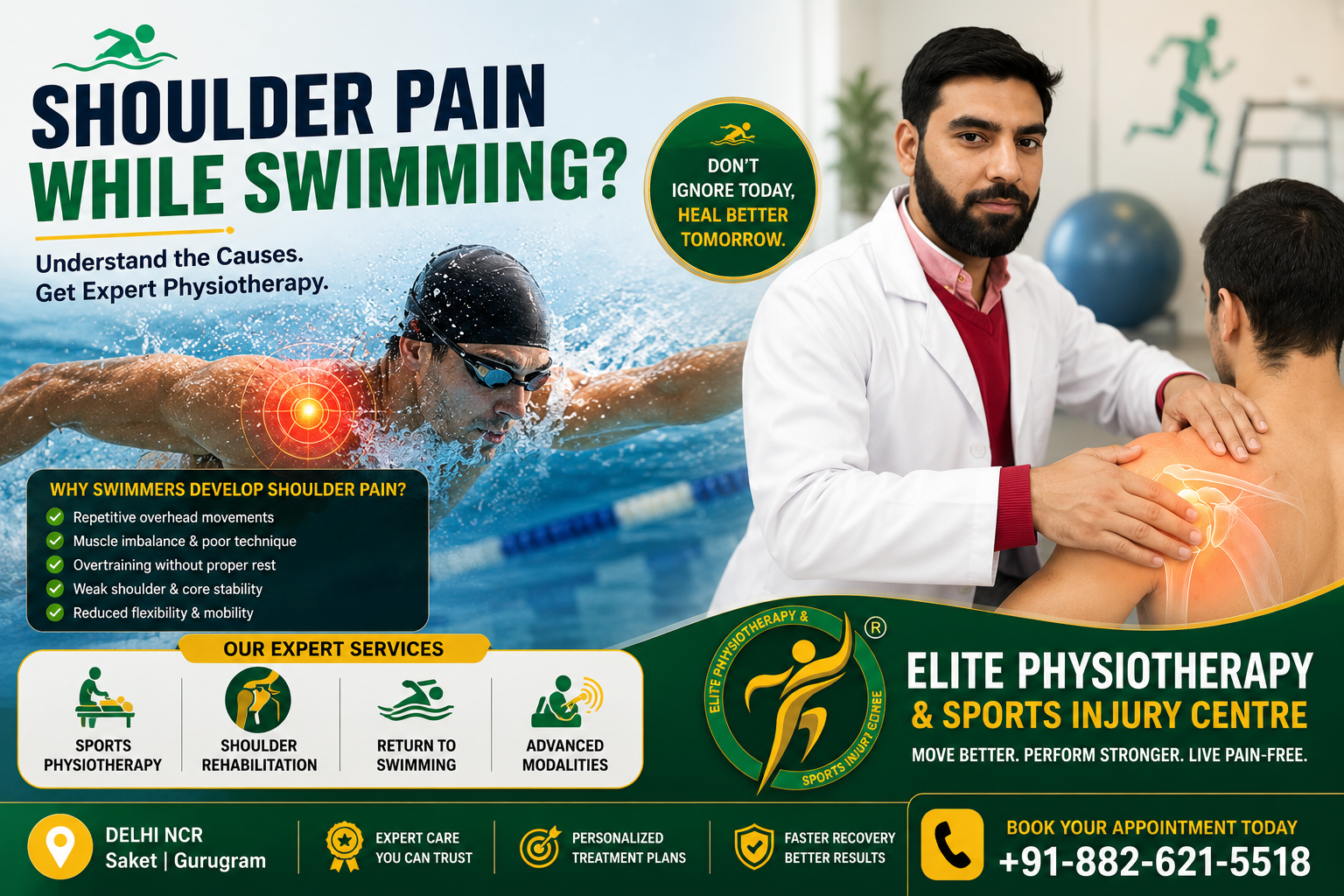
One of the healthiest sports is swimming. It increases general body strength, flexibility, muscular endurance, and cardiovascular health. But each week, swimmers execute thousands of overhead arm motions. As a result, the shoulder joint is under tremendous strain from repeated force.
In order to prevent injuries, lessen pain, restore shoulder function, and assist swimmers in safely returning to the pool, swimmer shoulder physical therapy is crucial. In addition to reducing discomfort, early physiotherapy intervention boosts athletic performance, avoids recurrence, and improves swimming mechanics.
Both leisure and competitive swimmers have shoulder soreness. According to studies, between 40 and 90 percent of elite swimmers have shoulder pain at some point in their careers. Rather than being caused by a single injury, the syndrome typically develops gradually as a result of repeated microtrauma.
Our sports physiotherapists at Elite Physiotherapy and Sports Injury Centre in Delhi NCR are experts at identifying and treating swimmer’s shoulder through thorough clinical evaluation, movement analysis, and evidence-based rehabilitation. In order for athletes to return stronger and more productive, we aim to address the underlying problem in addition to providing pain relief.
Whether you’re looking for physiotherapy in Saket, Delhi, or nearby, our knowledgeable staff offers customized rehabilitation programs for swimmers of all skill levels.
Understanding the Shoulder in Swimmers
The shoulder is the most mobile joint in the human body. It allows movements in multiple directions, making it ideal for swimming strokes such as freestyle, butterfly, backstroke, and breaststroke.
The shoulder complex consists of:
Glenohumeral joint
Acromioclavicular joint
Sternoclavicular joint
Scapulothoracic articulation
These joints work together with numerous muscles, tendons, ligaments, and the shoulder capsule.
Important muscles include:
Rotator cuff muscles
Deltoid
Serratus anterior
Trapezius
Rhomboids
Latissimus dorsi
Pectoralis major
Biceps brachii
During one swimming session, a swimmer may perform more than 2,500 overhead arm cycles. Therefore, even a small muscle imbalance can eventually lead to pain and dysfunction.
What Is Swimmer’s Shoulder?
There is more than one diagnosis for swimmer’s shoulder. Rather, it refers to a collection of excruciating shoulder disorders brought on by frequent overhead swimming motions.
It frequently involves inflammation of the bursae, tendons, muscles, or joints that support the stability of the shoulder.
Because cumulative overload is brought on by repetitive overhead activities, the disease develops gradually. At first, pain only manifests after swimming. But if you ignore it, you can experience pain when exercising, going about your everyday business, and eventually even when you’re at rest.
Athletes frequently adjust with changed movement patterns in the absence of proper swimmer shoulder physical treatment, which puts more strain on the surrounding tissues and results in chronic shoulder trouble.
Why Do Swimmers Develop Shoulder Pain?
Swimming appears smooth and effortless. Nevertheless, each stroke generates considerable force around the shoulder.
Why Choose Elite Physiotherapy and Sports Injury Centre?
Our specialty at Elite Physiotherapy and Sports Injury Centre is evidence-based rehabilitation for athletes and active people in Delhi NCR. Our skilled sports physiotherapists are aware of the particular physical demands that overhead sportsmen and swimmers face.
Our comprehensive approach includes:
Detailed biomechanical assessment.
Sports-specific physiotherapy evaluation.
Individualized rehabilitation programs.
Manual therapy techniques.
Progressive exercise therapy.
Return-to-sport planning.
Advanced physiotherapy technologies, including High-Intensity Laser Therapy (HILT), Super Inductive System (SIS), and Shock Wave Therapy where clinically indicated.
Dry Needling and myofascial techniques when appropriate.
Education on injury prevention and performance optimization.
Whether you’re looking for physiotherapy in Saket, Delhi, or nearby, our hardworking team is committed to ensuring your safe recovery and optimal performance.
Conclusion
One of the most frequent overuse injuries among swimmers is shoulder soreness, but it’s also one of the most avoidable. Successful recovery depends on early symptom detection, prompt diagnosis, and organized therapy.
In addition to reducing discomfort, swimmer shoulder physical therapy aims to improve strength, restore shoulder mechanics, address movement abnormalities, and avoid further injuries. The complete kinetic chain is addressed by a thorough rehabilitation program, guaranteeing that the shoulder performs well during each swimming stroke.
To assist swimmers in returning to the pool with confidence, we at Elite Physiotherapy and Sports Injury Centre, Delhi NCR, integrate cutting-edge clinical assessment, evidence-based physiotherapy, and contemporary rehabilitation technologies.
Do not wait for shoulder pain to develop into a chronic issue if it is interfering with your training or performance. Early intervention can safeguard your long-term shoulder health, enhance performance, and reduce recovery time.
Rotator Cuff Injury Physiotherapy: Early Signs Athletes Ignore
Athletes who engage in repetitive overhead motions frequently sustain shoulder problems. Sports that put a lot of strain on the shoulder joint include wrestling, swimming, cricket, tennis, badminton, weightlifting, and throwing. Rotator cuff injuries are among the most often disregarded of these injuries.
Despite early shoulder soreness, many athletes keep up their training. They frequently view discomfort as typical muscle soreness. Ignoring these warning indicators, however, can eventually harm shoulder structures and impair athletic performance.
Physiotherapy for rotator cuff injuries is crucial for early diagnosis, pain control, strength restoration, and a safe return to sports. We at Elite Physiotherapy and Sports Injury Centre offer athletes in Delhi NCR cutting-edge sports physiotherapy treatments. Instead of only treating symptoms, our method concentrates on determining the underlying cause of shoulder issues.
One of the human body’s most movable joints is the shoulder. However, the stability that muscles and tendons provide is necessary for this motion. During strong motions, the rotator cuff group keeps the shoulder under control. Weakness, inflammation, or tears may occur when these muscles are overworked.
Minor shoulder issues can be prevented from developing into serious injuries with early physical therapy intervention.
What is a Rotator Cuff Injury?
When one or more rotator cuff muscles or tendons become irritated, inflamed, strained, or torn, it results in a rotator cuff injury.
The four muscles that surround the shoulder joint are called the rotator cuff. These muscles aid in shoulder movements and offer dynamic stability.
The following are the four rotator cuff muscles:
Supraspinatus
Infraspinatus
Teres Minor
Subscapularis
Internal rotation and anterior shoulder stability are produced by the subscapularis.
These muscles work together to firmly attach the shoulder blade to the upper arm bone. They enable athletes to maintain exact shoulder control while producing strength.
Injury may result from abrupt overload, inadequate mechanics, or recurrent stress on these tissues.
Why Do Athletes Ignore Rotator Cuff Injury Symptoms?
Athletes often delay treatment because early rotator cuff problems may appear mild.
Common reasons include:
Pain appears only during specific movements.
Athletes believe pain will disappear with rest.
Performance remains normal initially.
Shoulder discomfort is confused with muscle fatigue.
Competition schedules prevent proper recovery.
Athletes continue training through pain.
However, repeated stress without proper rehabilitation can increase tendon damage.
A small irritation can progress into:
Chronic tendinopathy
Shoulder impingement
Partial tendon tear
Complete tendon rupture
Loss of sports performance
Therefore, early assessment by a sports physiotherapist is important.
Causes of Rotator Cuff Injury
Rotator cuff injuries develop due to multiple factors. In athletes, repeated shoulder stress is the most common reason.
Repetitive Overhead Activity
Sudden Increase in Training Load
Poor Shoulder Mechanics
Muscle Imbalance
Previous Shoulder Injury
Age-Related Tendon Changes
Types and Classification of Rotator Cuff Injuries
Rotator Cuff Tendinitis This is an early-stage injury where the tendon becomes irritated and inflamed.
Features include:
Mild pain during activity
Discomfort after training
Pain while lifting the arm
Early physiotherapy can usually resolve this condition effectively.
Rotator Cuff Tendinopathy Tendinopathy occurs due to long-term repetitive stress.
The tendon undergoes structural changes.
Symptoms may include:
Persistent shoulder pain
Reduced strength
Poor exercise tolerance
Athletes commonly develop this condition due to repeated training loads.
Partial Thickness Tear In a partial tear, some tendon fibers are damaged while the tendon remains partially attached.
Symptoms include:
Pain during overhead activity
Weakness
Difficulty performing sports movements
Full Thickness Tear A complete tear occurs when the tendon separates completely.
Common features include:
Significant weakness
Difficulty lifting the arm
Reduced sports performance
Possible need for surgical consultation
Acute Rotator Cuff Injury This occurs suddenly due to trauma.
Examples:
Fall on an outstretched arm
Heavy weightlifting injury
Sudden forceful shoulder movement
Chronic Rotator Cuff Injury This develops gradually due to repetitive overload.
Common in:
Professional athletes
Throwing athletes
Weightlifters
Racquet sport players
Early Signs of Rotator Cuff Injury Athletes Should Not Ignore
Shoulder Pain During Overhead Movements
Pain at Night
Weakness During Shoulder Movements
Clicking or Catching Sensation
Reduced Performance
Loss of Shoulder Mobility
Persistent Shoulder Discomfort After Training
Complications of Untreated Rotator Cuff Injury
Chronic Tendon Degeneration
Shoulder Impingement Syndrome
Rotator Cuff Tear Progression
Muscle Atrophy
Reduced Athletic Performance
Physiotherapy Management of Rotator Cuff Injury
Physiotherapy for rotator cuff injuries aims to lessen discomfort, increase shoulder mobility, restore muscular strength, improve shoulder stability, and assist athletes in safely resuming their sport.
Our approach to sports physiotherapy at Elite Physiotherapy and Sports Injury Centre, Delhi NCR, is centered on determining the true cause of injury. We do more than just treat pain. By addressing muscle imbalance, movement errors, and sports-specific constraints, we enhance shoulder function.
The physiotherapist designs a personalized treatment plan after a detailed assessment.
Guided Activity Modification
Adjusting training intensity
Soft Tissue Mobilization
Joint Mobilization
Mobility Exercises
Isometric Rotator Cuff Exercises
Resistance Band Exercises
Progressive Strength Training
Scapular Stabilization Training
Proprioception and Neuromuscular Training
Perturbation training
Advanced Physiotherapy Modalities for Rotator Cuff Injury
Why Choose Elite Physiotherapy and Sports Injury Centre?
At Elite Physiotherapy and Sports Injury Centre, we provide advanced physiotherapy in Delhi NCR for athletes and active individuals.
Our approach combines:
Sports injury assessment
Evidence-based physiotherapy
Advanced rehabilitation techniques
Athlete-specific exercise programs
Modern pain management technologies
Whether you are searching for physiotherapy near me, physiotherapy Saket, or expert sports rehabilitation in Delhi NCR, our team provides personalized care focused on long-term recovery.
Importance of Early Physiotherapy Intervention
Early physiotherapy helps:
Reduce pain
Restore shoulder mobility
Improve muscle activation
Prevent worsening of injury
Restore sports performance
Delaying treatment may increase rehabilitation duration.
At Elite Physiotherapy and Sports Injury Centre, our goal is to help athletes return stronger and safer.
Final Conclusion
Athletes frequently have rotator cuff problems, but many choose to disregard early warning indicators. If appropriate care is not given, mild shoulder discomfort might progressively worsen into a dangerous problem.
Recovery results can be greatly enhanced by early diagnosis and organized treatment for rotator cuff injuries.
We offer cutting-edge sports physiotherapy solutions at Elite Physiotherapy and Sports Injury Centre in Delhi-NCR, tailored to each athlete’s needs.
Our expert team combines detailed assessment, exercise-based rehabilitation, and advanced treatment techniques to help you recover faster and return to your sport confidently.
If you are searching for physiotherapy near me, physiotherapy Delhi, or physiotherapy Saket, visit Elite Physiotherapy and Sports Injury Centre for professional sports injury care.
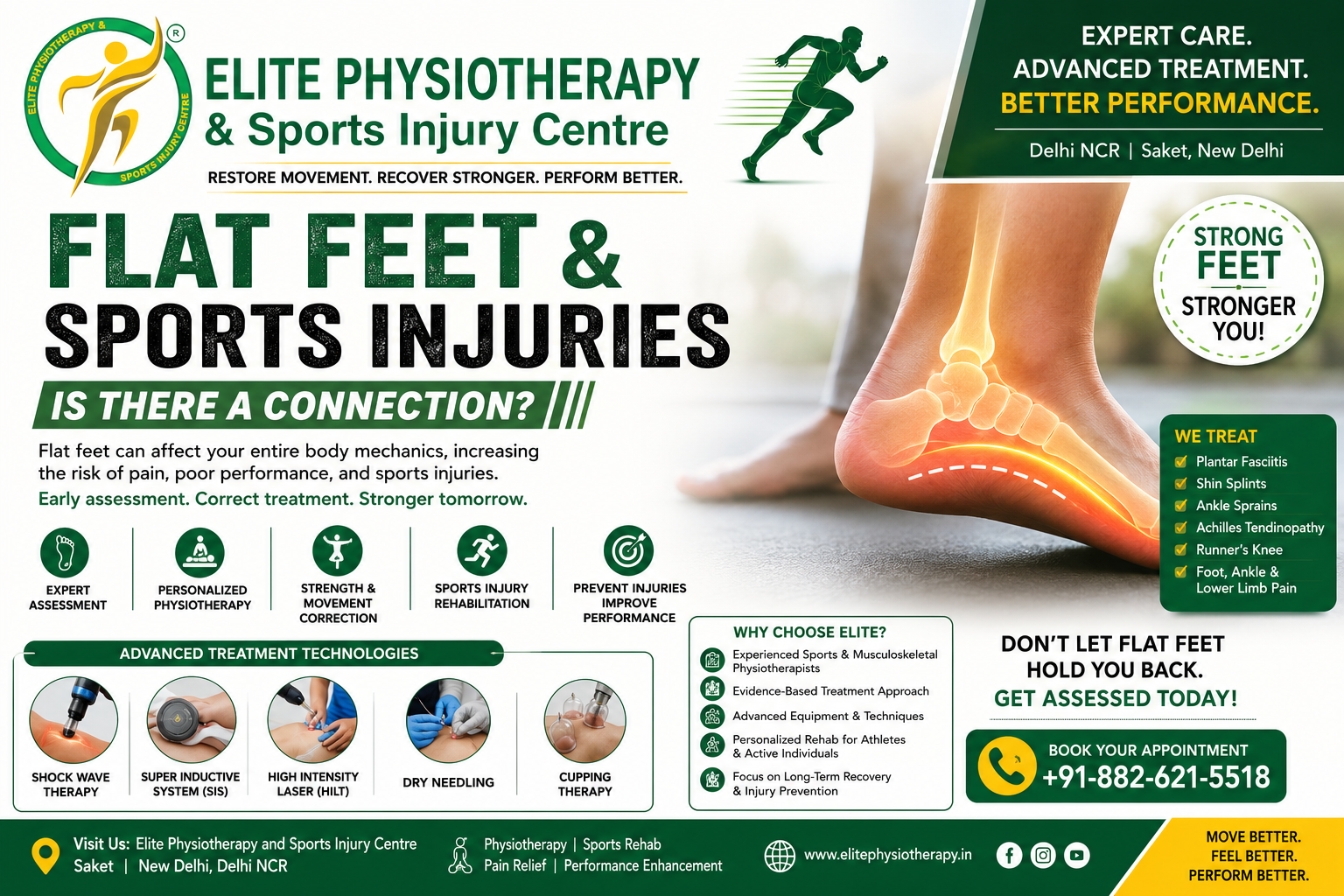
For balance, speed, power, and injury avoidance, athletes rely on strong and effective foot mechanics. However, flat feet and sports injuries are two conditions that are frequently disregarded but can have an impact on athletic performance.
The human body is built on its feet. The foot is the starting point for every running step, jump, landing, and direction shift. The way pressures pass through the ankle, knee, hip, and spine alters when the foot’s natural arch collapses.
Many athletes who have flat feet continue to work out without being properly evaluated. Changes in movement patterns can eventually put more strain on joints, tendons, and muscles. This could be a factor in lower limb injuries, plantar fasciitis, knee issues, shin pain, and recurrent ankle sprains.
We assist athletes in regaining foot function, enhancing mobility quality, and safely returning to sports with cutting-edge evaluation methods and evidence-based physiotherapy.
What Are Flat Feet?
Pes planus, another name for flat feet, is a condition in which the foot’s medial longitudinal arch is diminished or entirely flattened.
When walking, running, or jumping, the inside side of the foot typically has a natural arch that helps absorb shock. Additionally, this arch appropriately distributes body weight throughout the foot.
When engaging in weight-bearing tasks, those with flat feet roll their feet excessively inward. We refer to this motion as excessive pronation.
Pronation is typical to some extent since it aids in impact absorption. Excessive pronation, however, might interfere with normal biomechanics and put more strain on nearby structures.
Poor foot mechanics and frequent loading might raise the risk of injury in sports. Thus, it’s critical for athletes, coaches, and other professionals to comprehend the connection between flat feet and sports injuries.
How Flat Feet Can Affect Sports Performance
The foot is the first point of contact with the ground. During sports activities, it controls force absorption and energy transfer.
When the arch collapses, several biomechanical changes may occur:
Excessive Foot Pronation
Altered Lower Limb Alignment
Reduced Shock Absorption
Increased Muscle Fatigue
Causes of Flat Feet
Genetic Factors
Ligament Laxity
Weak Foot Muscles
Posterior Tibial Tendon Dysfunction
Sports-Related Overuse
Improper Footwear
Increased Body Weight
Clinical Features and Symptoms of Flat Feet
Foot Pain
Ankle Instability
Lower Limb Pain
Early Muscle Fatigue
Reduced Sports Performance
Common Sports Injuries Associated With Flat Feet
Plantar Fasciitis
Shin Splints (Medial Tibial Stress Syndrome)
Achilles Tendinopathy
Runner’s Knee
Ankle Sprains
Why Physiotherapy Is Important for Flat Feet
Many individuals think that supportive shoes are all that are needed for flat feet. On the other hand, the goal of physiotherapy is to increase the foot’s functional ability.
Physiotherapy’s objective is to:
Improve arch control
Strengthen supporting muscles
Correct movement patterns
Reduce pain
Prevent recurring sports injuries
Improve athletic performance
Our method at Elite Physiotherapy and Sports Injury Centre incorporates advanced technology, exercise rehabilitation, manual treatment, and sports-specific training.
Physiotherapy Management for Flat Feet
Pain Management and Tissue Healing Physiotherapists use a combination of:
Manual therapy
Soft tissue techniques
Mobility exercises
Electrotherapy when required
Advanced physiotherapy modalities
Foot Strengthening Exercises Short Foot Exercise Toe Yoga Exercise Towel Curl Exercise Resistance Band Exercises
Calf Muscle Strengthening Double Leg Heel Raise Seated Calf raise
Balance and Proprioception Training Single Leg Standing Balance Board Training
Hip and Core Strengthening
Movement Correction and Biomechanical Training
Advanced Physiotherapy Modalities Shock Wave Therapy Super Inductive System High Intensity Laser Therapy Dry Needling Therapy Cupping Therapy
Prevention Strategies for Flat Feet Related Sports Injuries
Regular Foot and Movement Assessment
Maintain Foot Muscle Strength
Improve Ankle Mobility
Wear Appropriate Sports Footwear
Follow Progressive Training Load
Improve Recovery Practices
When Should You Consult a Physiotherapist?
Repeated ankle sprains
Persistent heel pain
Pain during running
Shin discomfort
Reduced sports performance
Difficulty maintaining balance
Lower limb fatigue
Conclusion
The relationship between flat feet and sports injuries is often underestimated. While flat feet may not always cause problems, poor foot control can influence the entire movement chain.
A collapsed arch may affect ankle stability, knee alignment, hip control, and athletic performance.
The right approach is not only supporting the foot but improving overall movement quality through targeted rehabilitation.
At Elite Physiotherapy and Sports Injury Centre, Delhi NCR, we provide advanced physiotherapy solutions for athletes and individuals dealing with foot-related problems. Our experienced physiotherapists combine detailed assessment, exercise rehabilitation, and modern technologies to help patients recover faster and perform better.
If you are searching for physiotherapy near me, physiotherapy Delhi, or physiotherapy Saket, visit Elite Physiotherapy and Sports Injury Centre for expert care and personalized treatment.
Your performance starts from your foundation. Build stronger feet. Move better. Perform stronger.
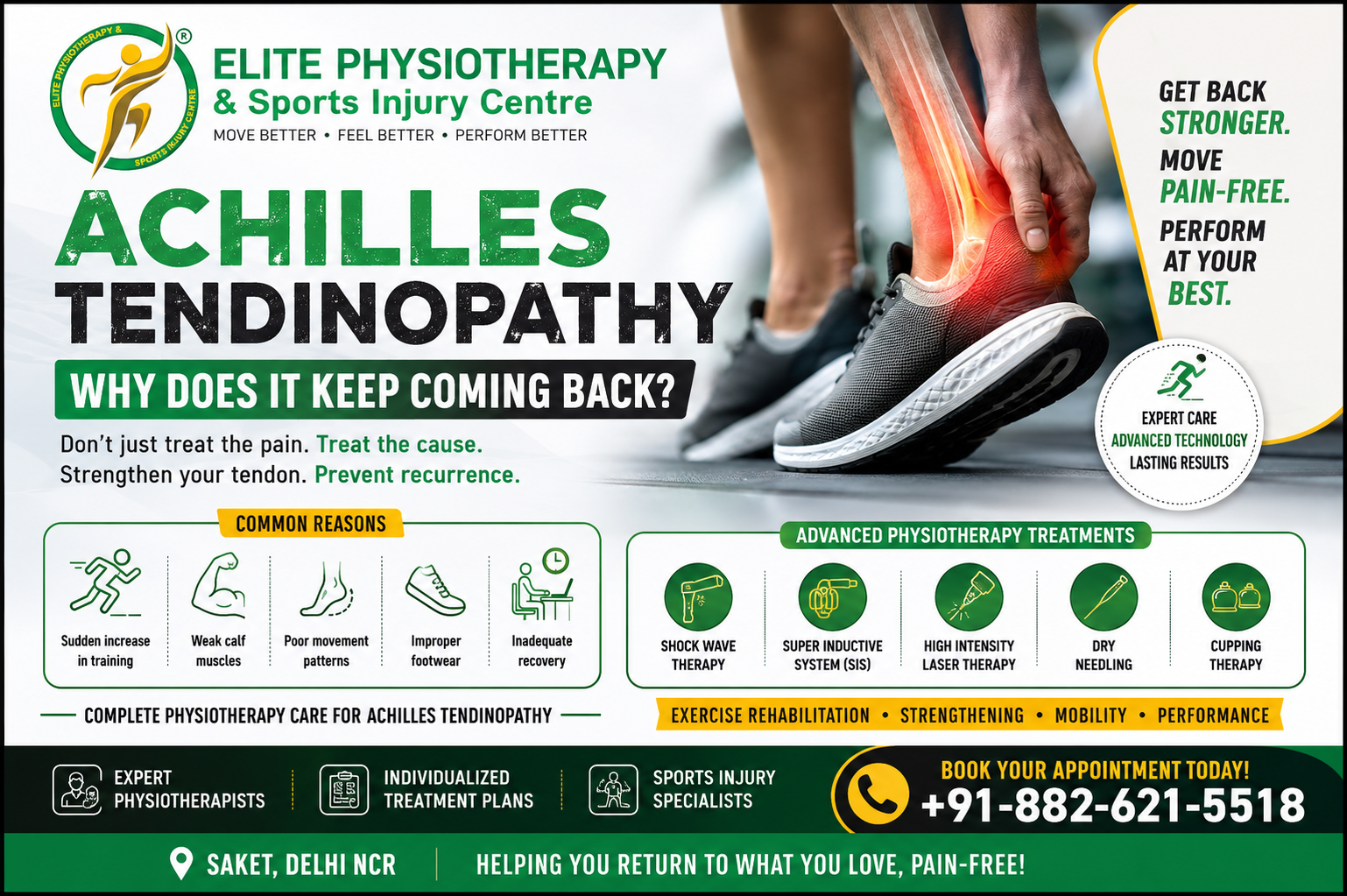
One of the most frequent overuse ailments affecting athletes, runners, and physically active people is Achilles tendinopathy. Even after experiencing brief relief, many patients have recurrent episodes of Achilles pain. Muscle imbalance, inadequate load management, incomplete recovery, or a hasty return to activity are frequently the causes.
The goal of physiotherapy for Achilles tendinopathy is to restore tendon strength, flexibility, and function while determining the true source of tendon overload. Pain can be lessened and recurrence can be avoided with a systematic rehabilitation program.
We offer cutting-edge, scientifically supported physiotherapy treatments for Achilles tendon issues at Elite Physiotherapy and Sports Injury Centre. To promote long-term healing, our team uses cutting-edge technologies, gradual strengthening exercises, and a thorough biomechanical examination.
Elite Physiotherapy concentrates on addressing the underlying cause rather than just symptoms, and it offers specialized services for patients in Delhi, Saket, and Delhi NCR.
When Achilles pain interferes with walking, jogging, or sports performance, many individuals look for physiotherapy near me. You can regain your confidence and safely resume your activities with the aid of an appropriate evaluation and personalized rehabilitation plan.
What Is Achilles Tendinopathy?
Degeneration, inflammation, and decreased Achilles tendon capacity are all symptoms of Achilles tendinopathy. The human body’s strongest tendon is the Achilles tendon. It joins the heel bone (calcaneus) to the calf muscles (gastrocnemius and soleus).
This tendon plays an important role during:
Walking
Running
Jumping
Sprinting
Climbing stairs
Sports movements
The Achilles tendon is stressed with each step. The tendon typically responds to this stress by strengthening and recovering appropriately. However, the tendon’s capacity to heal itself may be exceeded by frequent, severe loading.
The structure of the tendon varies with time. Collagen fibers become disjointed. The tendon may grow uncomfortable, weaker, and thicker.
Achilles tendinopathy often develops gradually, in contrast to an acute tendon damage. Rather than a single catastrophic event, it develops as a result of ongoing stress.
Why Does Achilles Tendinopathy Keep Coming Back?
Because the main goal of treatment is to reduce pain, many people have recurrent Achilles pain. However, tendon capacity cannot be restored by pain treatment alone.
Typical causes of recurrence include:
Incomplete Rehabilitation
Sudden Increase in Training Load
Poor Calf Muscle Strength
Limited Ankle Mobility
Foot and Lower Limb Biomechanical Problems
Causes and Risk Factors of Achilles Tendinopathy
There are several reasons why Achilles tendinopathy occurs. An imbalance between tendon stress and recuperation is typically the cause.
Overuse and Repetitive Loading
Sudden Activity Changes
Age-Related Tendon Changes
Muscle Tightness and Imbalance
Improper Footwear
Training Surface Changes
Clinical Features and Symptoms of Achilles Tendinopathy
Achilles Tendon Pain
Morning Stiffness
Pain During Physical Activity
Tendon Thickening and Swelling
Reduced Calf Muscle Performance
Tenderness Around the Achilles Tendon
Altered Walking and Running Pattern
Complete Physiotherapy Management for Long-Term Recovery
Enhancing tendon capacity, regaining muscle strength, addressing movement issues, and averting recurrence are the main goals of effective physiotherapy for Achilles tendinopathy.
Because they simply treat the symptoms, many patients have recurrent Achilles discomfort. Rest, painkillers, and short-term relief may lessen discomfort. To restore strength and function, the tendon must be gradually loaded.
Our method at Elite Physiotherapy and Sports Injury Centre blends comprehensive evaluation, evidence-based rehabilitation, cutting-edge physiotherapy techniques, and customized training regimens. Our objective is to enable patients to resume daily activities, sports, walking, and jogging without worrying about recurrence.
Activity Modification and Load Management Reducing sprint volume Limiting excessive jumping Temporarily reducing running distance Avoiding sudden training increases
Pain Management Techniques in Physiotherapy Extracorporeal Shock Wave Therapy (ESWT) Super Inductive System (SIS) Therapy High Intensity Laser Therapy (HILT) Dry Needling Cupping Therapy
Exercise-Based Physiotherapy Rehabilitation Calf Muscle Strengthening Exercises Eccentric Loading Exercises for calf muscle Heavy Slow Resistance Training
Whether you are an athlete, runner, or someone dealing with persistent heel pain, our expert team provides specialized physiotherapy Delhi NCR solutions.
If you are searching for physiotherapy near me, Elite Physiotherapy offers advanced care at convenient locations with a focus on long-term recovery.
Visit Elite Physiotherapy and Sports Injury Centre to restore strength, improve mobility, and return confidently to your active lifestyle.
Prevention Strategies for Achilles Tendinopathy
Follow a Gradual Training Progression
Maintain Regular Calf Strength Training
Perform Proper Warm-Up Before Exercise
Improve Ankle Mobility
Choose Appropriate Footwear
Manage Training Recovery
Regular Physiotherapy Screening
Conclusion
Achilles tendinopathy keeps coming back when the underlying cause is not addressed. Pain relief alone cannot restore tendon strength and function.
A successful recovery requires a combination of:
Accurate assessment
Progressive tendon loading
Muscle strengthening
Movement correction
Advanced physiotherapy techniques
At Elite Physiotherapy and Sports Injury Centre, our goal is to provide complete Achilles tendon rehabilitation through advanced physiotherapy methods and personalized exercise programs.
Our experienced physiotherapists combine modern technologies such as Shock Wave Therapy, Super Inductive System, High Intensity Laser Therapy, Dry Needling, and Cupping Therapy with scientific rehabilitation principles.
If you are searching for physiotherapy near me, physiotherapy Delhi, or physiotherapy Saket, Elite Physiotherapy provides specialized sports injury care across Delhi NCR.
Visit Elite Physiotherapy and Sports Injury Centre today and take the first step towards stronger movement, pain-free activity, and long-term recovery.
Know the Difference Before It Becomes a Bigger Problem
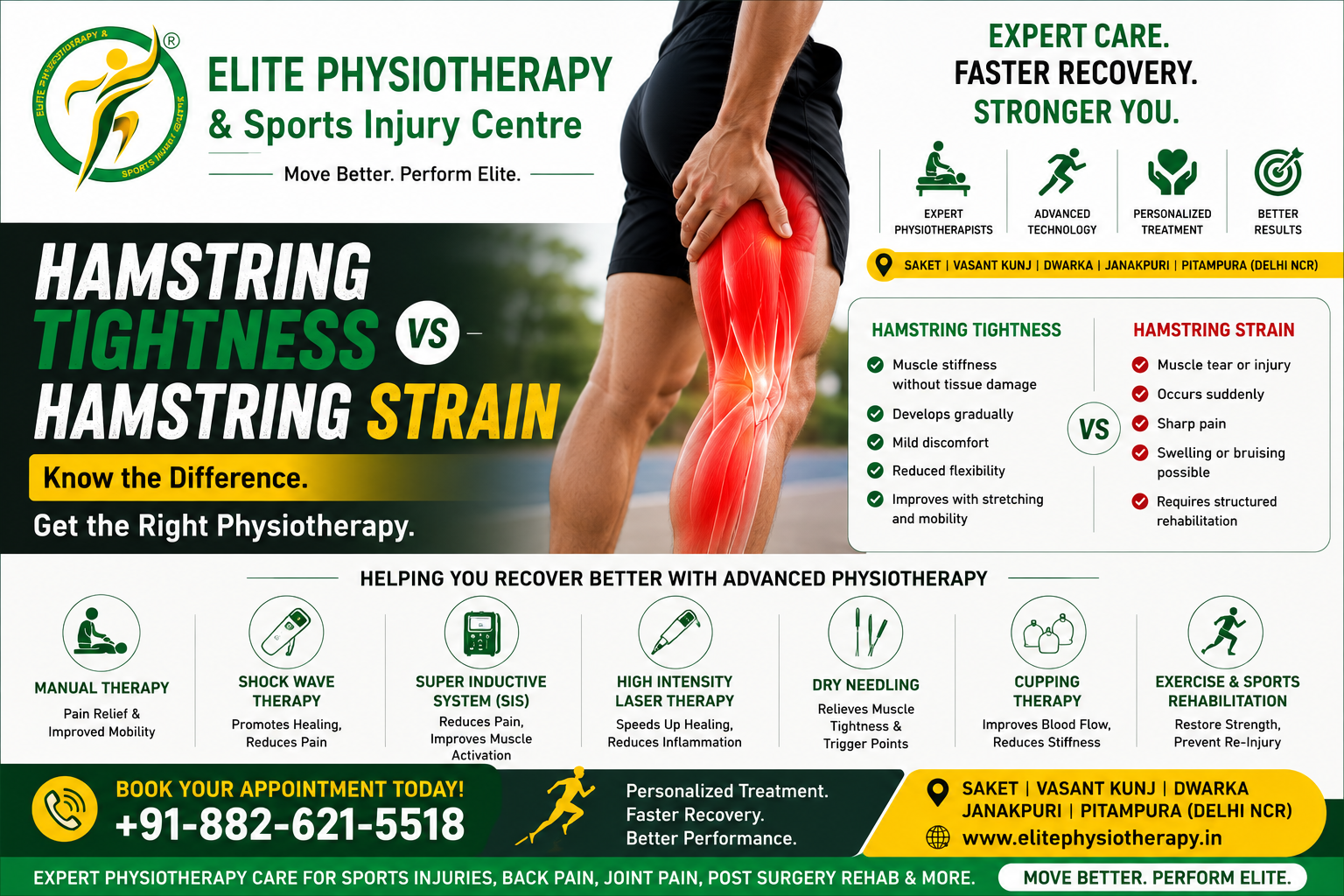
One of the most popular issues among athletes, runners, gym goers, and physically active people is Hamstring Tightness vs. Hamstring Strain. Because both illnesses generate discomfort in the back of the thigh, many people mistake muscular tightness for muscle strain. Their causes, severity, course of treatment, and duration to recovery, however, vary greatly.
Tightness in the hamstrings typically appears gradually. Reduced flexibility, extended sitting, bad posture, muscle imbalance, or insufficient warm-up are common causes. A hamstring strain, on the other hand, is a real muscular injury. It frequently happens when you run, leap, accelerate quickly, or stretch violently.
Ignoring either condition can lower sports performance and raise the chance of more injuries. Early evaluation and evidence-based physical therapy are therefore crucial. A customized rehabilitation program lowers the risk of recurrence while restoring strength, flexibility, confidence, and movement quality.
Advanced sports physiotherapy for recreational and professional athletes in Delhi NCR is our area of expertise at Elite Physiotherapy & Sports Injury Centre. To pinpoint the precise issue, our skilled sports physiotherapists employ thorough clinical evaluation and cutting-edge rehabilitation methods. The most recent technologies, such as Shock Wave Therapy, Super Inductive System (SIS), High Intensity Laser Therapy, Dry Needling, and sports-specific rehabilitation, are then used to develop customized treatment regimens.
Understanding the Hamstring Muscles
The hamstring is not a single muscle. Instead, it consists of three major muscles located at the back of the thigh.
These include:
Biceps Femoris
Semitendinosus
Semimembranosus
The hamstrings perform several important functions.
They:
Bend the knee.
Extend the hip.
Control running mechanics.
Absorb landing forces.
Decelerate the leg during sprinting.
Stabilize the pelvis.
Assist in jumping and change of direction.
What is Hamstring Tightness?
Reduced flexibility or increased muscular stiffness without structural muscle injury is referred to as hamstring tightness.
The muscle doesn’t break. But its lengthening capacity is constrained. Performance suffers as a result of restricted movement.
Tight hamstrings are a common result of long workdays, extended driving, prolonged sitting, and inadequate post-exercise recovery.
Muscle fibers are not ripped, in contrast to a strain.
As a result, there is little to no irritation.
Tightness in the hamstrings typically appears gradually rather than all at once.
What is a Hamstring Strain?
An acute injury involving overstretching or rupture of the tendon or muscle fibers is called a hamstring strain.
Explosive motions are typically the cause of the injury.
Typical instances consist of:
Sprinting
Football
Cricket
Athletics
Hockey
Kabaddi
Wrestling
Tennis
Badminton
The injury frequently occurs when the hamstring lengthens and contracts violently at the same time.
The muscle-tendon unit is severely stressed by this mechanism.
Depending on how severe the injury is, the muscle may be completely ruptured or only a few muscular fibers may be affected.
Pain appears right away.
When it gets impossible to continue, most athletes give up.
Hamstring Tightness vs Hamstring Strain
Feature
Hamstring Tightness
Hamstring Strain
Nature
Muscle stiffness
Muscle injury
Muscle Damage
No
Yes
Pain Onset
Gradual
Sudden
Swelling
Rare
Common in moderate and severe injuries
Bruising
No
May develop
Flexibility
Reduced
Severely limited
Walking
Usually normal
Painful
Sprinting
Difficult
Often impossible
Muscle Strength
Mildly reduced
Significantly reduced
Recovery
Days to weeks
Weeks to months
Why Do Hamstrings Become Tight?
Hamstring tightness develops because several factors reduce muscle flexibility over time.
Common causes include:
Prolonged Sitting
Poor Warm-Up
Muscle Imbalance
Poor Core Stability
Limited Hip Mobility
Previous Hamstring Injury
Poor Recovery
Inadequate Hydration
Neural Tension
Causes of Hamstring Strain
Hamstring strains usually result from excessive mechanical loading.
Several risk factors contribute.
Sudden Sprinting
Rapid Acceleration
Sudden Deceleration
Poor Flexibility
Muscle Weakness
Gluteal Weakness
Previous Hamstring Injury
Inadequate Warm-Up
Muscle Fatigue
Poor Running Mechanics
Clinical Features of Hamstring Tightness
Feeling of stiffness behind the thigh
Difficulty touching the toes
Reduced flexibility
Mild discomfort after prolonged sitting
Tightness during stretching
Reduced stride length while running
Lower athletic performance
Recurrent muscle fatigue
Occasional low back discomfort
Early fatigue during sports
Clinical Features of Hamstring Strain
Sudden sharp pain
Pain during sprinting
Pain while kicking
Pain during jumping
Tenderness over the injured muscle
Swelling
Bruising
Muscle weakness
Difficulty walking
Reduced knee flexion strength
Difficulty bending forward
Pain while climbing stairs
Loss of explosive performance
Why Early Physiotherapy Matters
A hamstring strain is sometimes misdiagnosed by athletes as basic muscular soreness.
They therefore keep up their training in spite of their injuries.
Sadly, this prolongs healing and promotes muscle injury.
In a similar vein, persistent hamstring tightness frequently indicates more serious problems like poor movement patterns, gluteal weakness, restricted hip mobility, or neurological strain. These issues are rarely resolved by stretching alone.
Whether you need physiotherapy Delhi, physiotherapy Saket, or are searching for physiotherapy near me, our expert sports physiotherapists provide evidence-based rehabilitation designed to help you return safely to work, fitness, and competitive sports.
Physiotherapy Management for Hamstring Tightness vs Hamstring Strain
At Elite Physiotherapy & Sports Injury Centre, we do not follow a one-size-fits-all protocol. Instead, every patient receives a personalized rehabilitation program based on clinical findings, functional limitations, sport-specific demands, and recovery goals.
Pain Management with Advanced Modalities like Shockwave.
Once the Pain and swelling is reduced, we can start with Therapeutic Exercises like: Isometric Hamstring Contractions, Gluteal Activation Exercises (Glute squeezes, Bridge holds, Clamshell exercises, Side-lying hip abduction), Core Stabilization (Dead bug progression, Bird dog exercises, Pelvic control drills).
Restoring Flexibility and Mobility by Hamstring Stretching, Neural Mobility Exercises, Hip Mobility Training.
Pain management alone is not enough for successful rehabilitation. Movement deficits must be corrected, the underlying reason must be determined, and function must be gradually restored.
At Elite Physiotherapy & Sports Injury Centre, we integrate innovative rehabilitation technologies, sport-specific exercise regimens, evidence-based physiotherapy, and thorough assessment. Our complete strategy enables patients in Delhi NCR heal effectively and return to work, fitness, and sports with confidence.
Our skilled staff is dedicated to offering individualized care using cutting-edge methods, such as Shock Wave Therapy, Super Inductive System (SIS), High Intensity Laser Therapy, Dry Needling, and thorough exercise-based rehabilitation, whether you’re looking for physiotherapy in Delhi, Saket, or nearby.