
A frequent overuse injury affecting athletes, fitness enthusiasts, and physically active people is quadriceps tendinopathy. The quadriceps tendon, which joins the quadriceps muscle to the patella (kneecap), is inflamed and degenerating. We frequently work with clients who have this problem at Elite Physiotherapy and Sports Injury Centre, and our goal is to help them achieve their best possible recovery and performance through individualized rehabilitation programs.
Anatomy and Function of the Quadriceps Tendon
The four main muscles of the quadriceps muscular group are the rectus femoris, vastus lateralis, vastus medialis, and vastus intermedius. These muscles are essential for walking, running, jumping, and squatting because they cooperate to extend the knee. These muscles are connected to the patella by the quadriceps tendon, which facilitates effective force transfer during knee extension.
Tendinopathy, which is characterized by discomfort and soreness above the kneecap, can result from overuse or repetitive strain on this tendon. If left untreated, this condition may restrict one’s level of activity and eventually lead to more knee problems.
Causes and Risk Factors of Quadriceps Tendinopathy
Quadriceps tendinopathy is caused by a number of reasons, including:
- Overuse: The quadriceps tendon is strained by repetitive, high-impact exercises including running, jumping, and abrupt direction changes.
- Poor Biomechanics: The tendon is subjected to more stress when abnormal movement patterns, including severe knee valgus (inward knee collapse), occur.
- Muscle Imbalances: Tendon strain can result from weakness or stiffness in the calf, hamstring, or quadriceps muscles.
- Insufficient warm-up or cool-down: Ignoring these exercises might increase the risk of damage to tendons and muscles.
- Training Errors: Abrupt increases in training volume, intensity, or frequency can overload the tendon.
In order to create a customized treatment plan that tackles these risk factors, Elite Physiotherapy and Sports Injury Centre takes into account each client’s distinct biomechanics, strength, and flexibility.
Symptoms of Quadriceps Tendinopathy
Quadriceps tendinopathy symptoms can range in severity and frequently appear gradually. Typical symptoms include the following:
- Pain above the kneecap: This discomfort usually becomes worse when you move, especially when you’re jumping or squatting or doing other knee-extension exercises.
- Swelling and tenderness: Swelling and tenderness may surround the injured tendon.
- Stiffness: It’s normal to feel stiff, particularly in the morning or after a period of inactivity.
- Decreased strength and function: Pain can restrict quadriceps strength and, consequently, knee function.
To properly evaluate the condition, a comprehensive clinical examination is our first priority at Elite Physiotherapy. A thorough comprehension of these symptoms enables our staff to create efficient treatment programs, guaranteeing the best possible care and healing.
Physiotherapy Management at Elite Physiotherapy and Sports Injury Centre
Managing quadriceps tendinopathy requires a comprehensive strategy that addresses the underlying causes, promotes healing, and restores function. This is how we go about treatment:
Pain Control and Initial Rest
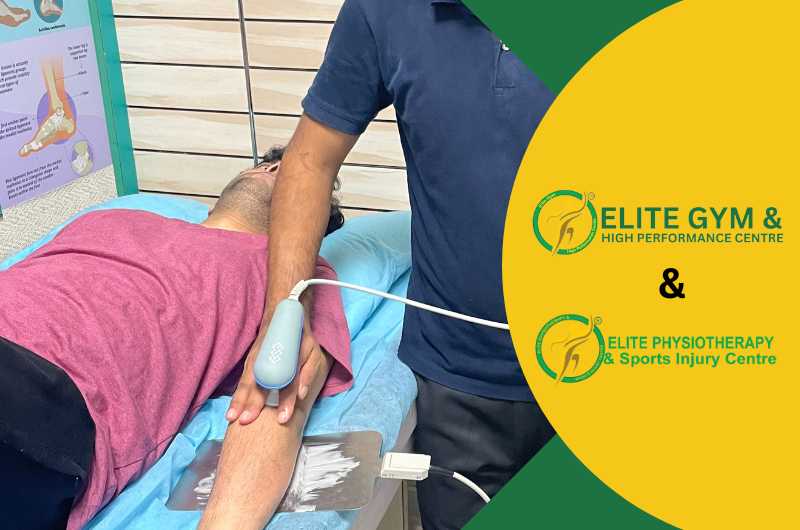
We concentrate on pain management in the first stage. Using modalities like ultrasound or laser treatment, avoiding activities that aggravate the condition, and using cryotherapy can all help reduce pain. The tendon can heal with controlled rest without losing its conditioning.
Soft Tissue Mobilization and Stretching
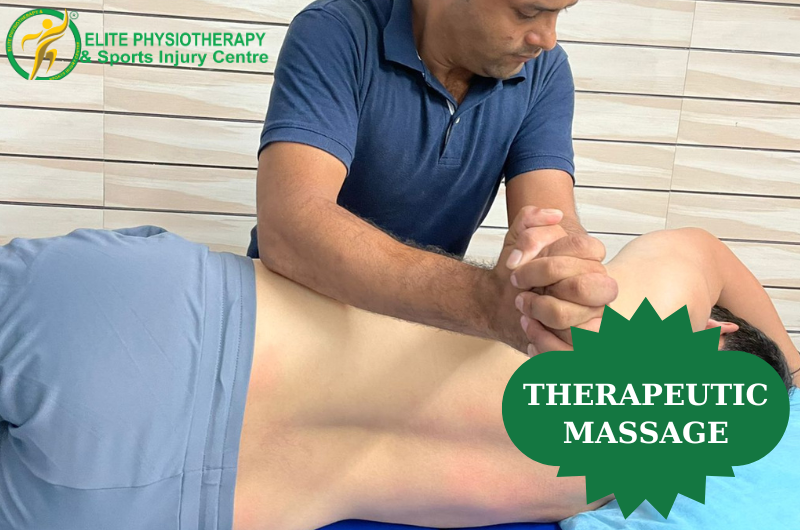
Soft tissue mobilization is one manual treatment method that helps ease muscular tension and increase blood flow. Stretching exercises that focus on the hamstrings, hip flexors, and quadriceps increase flexibility and lessen tendon tension. To guarantee that stretching regimens are secure, efficient, and in line with each client’s degree of mobility, we customize them.
Strengthening Exercises
For the treatment of quadriceps tendinopathy, progressive strengthening is essential. To rebuild quadriceps strength, we at Elite Physiotherapy progressively increase resistance and complexity while emphasizing exercises that promote controlled knee extension, like:
Isometric Exercises:
Static contractions that build basic strength without overtaxing the tendon, such as wall sits.
Eccentric Strengthening:
Activities that promote tendon repair include eccentric knee extensions and single-leg declines.
Functional Movements:
With an emphasis on correct form and alignment, squats, lunges, and step-ups are introduced as strength increases.
Correcting Biomechanics and Movement Patterns
Proper biomechanics can prevent recurrent injury. At Elite Physiotherapy, our staff uses either manual evaluation or video analysis to examine each client’s movement patterns. We can implement remedial exercises to enhance alignment and control by recognizing issues such as knee valgus or poor landing mechanics.
Plyometrics and Sports-Specific Training
Following the restoration of strength and flexibility, clients who want to resume high-impact activities must receive sports-specific training. Plyometric exercises assist in strengthening tendon resilience and getting the knee ready for dynamic activities by emphasizing controlled jumping and landing mechanics.
We keep a careful eye on the client’s development to make sure they don’t have any pain when they return to sports.
Recovery Timeline and Expected Outcomes
Individual reactions to therapy, client adherence, and the degree of the injury all affect how long it takes to heal from quadriceps tendinopathy. Most clients start to see improvements after the first few sessions with us and in 4–6 weeks of regular physiotherapy and careful self-care majority of clients feel no pain in daily activities, and they may resume high-level activities like sports in 3–6 months.
At Elite Physiotherapy and Sports Injury Centre, we accompany clients at every step of their rehabilitation by emphasizing injury prevention techniques and progressive development.
Preventing Recurrence of Quadriceps Tendinopathy
At Elite Physiotherapy, preventive care is a fundamental component of our philosophy. In order to reduce the likelihood of recurrence, we advise:
- Maintaining strength and flexibility requires regular stretching and strengthening exercises specific to the calf, hamstring, and quadriceps muscles.
- Tracking training loads: avoiding abrupt increases in the volume or intensity of activities.
- concentrating on appropriate technique: Learning proper running, jumping, and squatting techniques helps reduce excessive strain on the quadriceps tendon.
- Including recovery and rest: Sufficient sleep, hydration, and a healthy diet support tendon health.Also, we offer various recovery programs such as Ice Bath, Hydrotherapy, Sports massage, etc.
Conclusion
When treated appropriately, quadriceps tendinopathy can resolve without causing long-term issues. We at Elite Physiotherapy and Sports Injury Centre dedicate ourselves to helping our clients overcome quadriceps tendinopathy and return to their activities stronger and more resilient than before with specialist, tailored care. We aim to provide each client with the finest physiotherapy care possible through professional evaluations, focused interventions, and a comprehensive approach to rehabilitation.
Do not hesitate to contact Elite Physiotherapy and Sports Injury Centre if you are having knee pain or suspect quadriceps tendinopathy. Our team is here to assist you reach your performance and fitness objectives and to support you during your recovery.