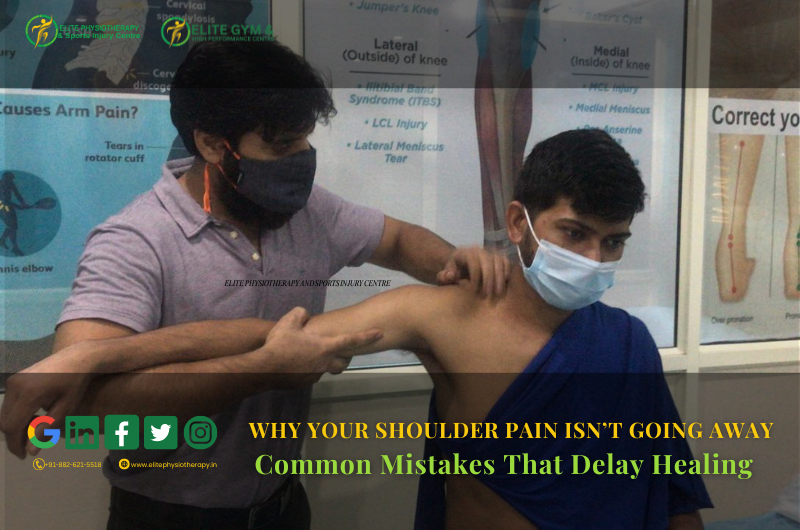
Persistent shoulder pain might interfere with daily activities, sleep, and job. Soft tissue, joint, or biomechanical issues surrounding the shoulder are frequently the cause of this soreness. Because the shoulder is one of the body’s most complex and dynamic joints, improper assessment and treatment can lead to discomfort and dysfunction.
What It Is
Pain that comes from the shoulder joint or the surrounding muscles, tendons, or ligaments is referred to as shoulder pain. The joint capsule, bursae (small fluid sacs), and rotator cuff muscles are frequently impacted. Pain might be ongoing or triggered by particular motions.
Common Causes of Persistent Shoulder Pain
Rotator Cuff Problems: Tendon irritation, tears, or degeneration are examples of rotator cuff issues.
Shoulder Impingement: When elevating an arm, tendons are constricted beneath bony edges.
Bursitis: Inflammation of the cushioning bursa sac is known as bursitis.
Frozen Shoulder (Adhesive Capsulitis): is characterized by a tightening of the joint capsule.
Posture & Neck-Related Pain: Poor mechanics or transferred neck discomfort are examples of posture and neck-related pain.
Common Mistakes That Lead to Persistent Shoulder Pain
Ignoring Root Causes: Many people attempt rest on its own, however this doesn’t address fundamental mechanisms.
Bad position: Forward head position and rounded shoulders put stress on the shoulder muscles.
Inadequate Assessment: Ignoring a thorough physical examination can conceal underlying issues.
Incomplete Rehab: Giving up on workouts once pain subsides instead of regaining full function.
Misguided Self-Treatment: Imbalances may be reinforced by performing general activities.
Clinical Features / Symptoms
Shoulder pain that hurts in the front or side.
Discomfort when moving overhead.
Sleep is disturbed by nighttime pain.
Restricted mobility or rigidity.
Lifting or rotating the arm is weak.
Diagnosis & Physiotherapy Assessment
A proper assessment combines observation, palpation, range of motion, strength testing, and special orthopaedic tests to pinpoint dysfunction.
Assessment Steps:
Patient History: Recognize symptoms, activity triggers, and onset.
Postural Evaluation: Verifies neck alignment and shoulder blade position.
Active & Passive Movement Testing: Stiffness and painful arcs are measured using active and passive movement testing.
Strength & Stability Tests: Muscle control is assessed using these tests.
Special Tests: Determine which particular structures are causing the pain.
Strength & Stability Tests: Muscle control is assessed using these tests.
Special Tests: Determine which particular structures are causing the pain.
This comprehensive approach ensures correct diagnosis and guides individualized treatment.
Physiotherapy Management
At Elite Physiotherapy & Sports Injury Centre (Delhi NCR), we aim to eliminate pain and restore optimal function through personalized physiotherapy care.
1. Pain Relief & Inflammation Control
We start with targeted pain control:
Cryotherapy and Manual Techniques
Soft tissue release to reduce tension
Joint mobilisations to ease stiffness
These methods calm pain and prepare tissues for active rehabilitation.
2. Corrective Movement Training
Improving muscle balance and scapular mechanics is key. Our physiotherapists:
Retrain shoulder blade control
Strengthen the rotator cuff and stabilisers
Restore normal movement patterns
This step prevents compensation and recurrent pain.
3. Advanced Modalities (When Needed)
At Elite, we use high-end modalities when appropriate to speed healing and reduce pain:
As pain reduces, we advance to function-based exercises:
Rotator cuff strengthening
Scapular stabilisation drills
Functional movement patterns
Sport or work-specific drills
This staged approach helps you return to daily life or sports stronger and pain-free.
Conclusion
Misdiagnosis, bad posture, or insufficient rehabilitation are common causes of persistent shoulder pain. A customized treatment plan and a thorough physiotherapy evaluation are crucial. To provide long-lasting treatment, we at Elite Physiotherapy & Sports Injury Centre in Delhi NCR integrate sophisticated modalities, evidence-based care, and professional clinical evaluation.
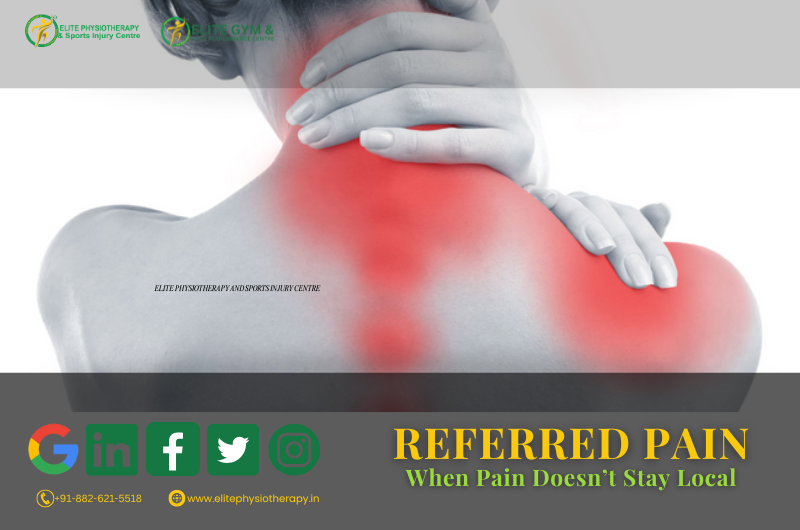
Referred pain is discomfort felt in an area far from the actual source of injury. Because different regions’ nerves share spinal pathways, this occurs. Consequently, the brain misinterprets the real cause of pain.
Musculoskeletal Referred Pain: From muscles, joints, ligaments, and fascia.
Neurogenic Referred Pain: Caused by nerve root irritation or compression.
Viscerosomatic Referred Pain: Pain from internal organs referred to body wall.
Myofascial Patterns: Trigger point referral maps with predictable patterns.
Clinical Features / Signs / Symptoms
Pain far from the site of injury
Sharp, scorching, or aching feeling
Pain associated with particular movement patterns
Discomfort interfering with sleep
Weakness or stiffness in the area
Palpation of trigger sites reproduces the pain.
Physiotherapy Management
Physiotherapy focuses on correcting the source of pain rather than only masking symptoms. At Elite Physiotherapy and Sports Injury Centre (Delhi NCR), we craft personalized treatment plans.
1. Manual Therapy
Manual techniques restore normal joint motion and reduce pain referral. These include:
Mobilization of stiff joints
Soft tissue release
Myofascial techniques
Neural tissue mobilization
Manual therapy improves nervous system communication and reduces pain.
2. Therapeutic Exercise
We prescribe tailored exercises to:
Strengthen weak muscles
Improve joint control
Correct movement patterns
Reduce re-irritation of pain referral sources
Progressive loading restores functional capacity.
3. Postural & Movement Correction
Referred pain often arises from poor posture or repetitive strain. We guide posture correction and ergonomic adjustments.
4. Advanced Modalities at Elite Physiotherapy
We use state-of-the-art modalities to accelerate recovery:
Why Choose Elite Physiotherapy and Sports Injury Centre?
We combine expert clinical assessment, advanced modalities, and personalized care. Our team treats referred pain comprehensively to restore function and reduce pain quickly.
Visit us in Delhi NCR for world-class physiotherapy that gets results.
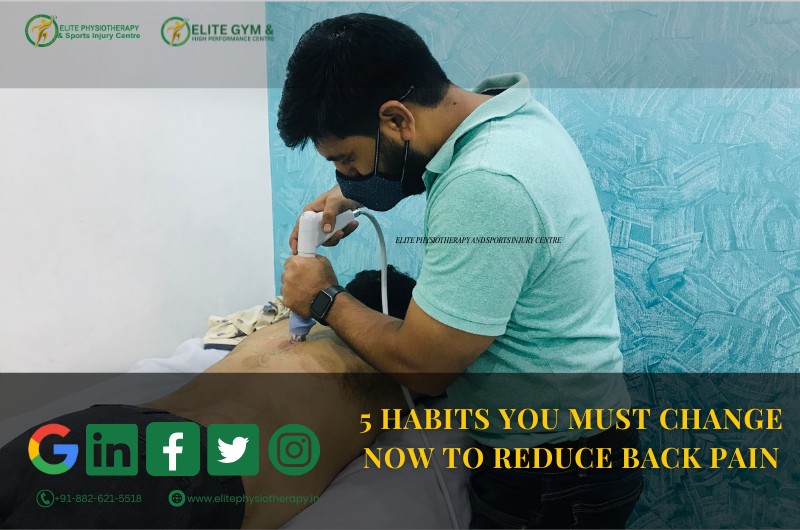
Old age is no longer the only factor contributing to back pain. It has an impact on active people, working professionals, and athletes. We observe how behaviors affect spinal health on a daily basis at Elite Physiotherapy and Sports Injury Centre. The good news is straightforward. Back pain can be considerably reduced, and recurrence can be avoided by adopting healthy behaviors.
This comprehensive explanation describes what back pain is, why it occurs, how to assess it, and how physiotherapy can help.
Above all, it identifies five typical tendencies that you need to break right away.
What Is Back Pain?
Stiffness or soreness in the lumbar, thoracic, or cervical spine is referred to as back pain.
Muscles, discs, joints, ligaments, and nerves could all be affected.
There are three types of pain: acute, subacute, and chronic.
Back pain frequently appears gradually as a result of bad daily behaviors.
However, if it is not properly managed, it may get worse.
Common Causes of Back Pain
Back pain usually has multiple contributing factors.
The most common causes include:
Prolonged poor posture
Weak core and spinal muscles
Repetitive bending or lifting errors
Physical inactivity
Stress-related muscle tension
Previous injuries or disc issues
At Elite Physiotherapy, we focus on identifying habit-related triggers.
Types and Classification of Back Pain
Back pain can be classified based on duration and structure.
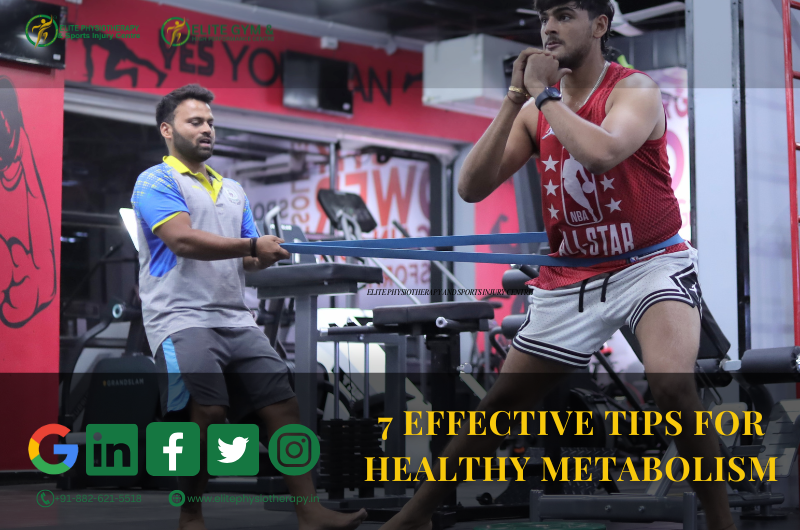
Every cell in your body is powered by metabolism. A healthy metabolism increases vitality, helps with weight management, and enhances day-to-day functioning. We at Elite Physiotherapy & Sports Injury Centre think that long-term wellness, strength, and recovery all depend on metabolic health. Our skilled physiotherapists provide you with safe, research-based techniques that successfully and naturally increase metabolism.
1. Move Daily with Purpose
Frequent exercise increases metabolic activity and muscular involvement. Exercise promotes oxygen use, boosts blood flow, and stimulates energy systems. Your body burns calories even while you’re at rest, and when you move more. Expert therapists create customized movement programs that meet your objectives. We emphasize safe progression and appropriate technique to optimize metabolic benefits, whether you’re recuperating from an injury or increasing your level of fitness.
2. Build Lean Muscle with Strength Training
At rest, muscle tissue burns more energy than fat. Strength training increases lean muscle mass, which raises your resting metabolic rate. Based on your goals, injury history, and current abilities, our physiotherapists recommend safe resistance workouts. These exercises increase muscle balance, strength, and bone density, all of which promote a faster metabolism.
3. Integrate Functional & Therapeutic Exercise
Functional exercise movements you utilize daily are our focus at Elite. By increasing balance, coordination, and muscular endurance, these workouts improve metabolic efficiency. Our physiotherapy regimens combine practical exercises with therapeutic movement to keep your metabolism engaged all day.
4. Hydrate for Optimal Cell Function
Water is essential to metabolic functions. Maintaining adequate water facilitates the movement of nutrients, controls body temperature, and aids in digestion. Metabolic processes can be slowed by dehydration. For athletes and active people in particular, our team provides education on hydration practices that promote health objectives.
5. Eat for Energy & Recovery
Your metabolism is fueled by a well-balanced diet. Try meals that are high in whole grains, healthy fats, and protein. Protein aids in muscle growth and tissue repair, both of which are critical for metabolic strength. In order to combine your physiotherapy plan with the appropriate food approach, we frequently work with nutritionists.
6. Prioritize Rest & Recovery
Metabolism depends on rest and recovery. Hormones that regulate hunger and energy consumption are upset by inadequate sleep. Therapeutic rest schedules, stress-reduction techniques, and customized rehabilitation are all part of Elite’s recovery regimens. Muscle restoration, metabolic balance, and general health are all improved by proper recuperation.
7. Manage Stress for Hormonal Balance
Cortisol, which is released under prolonged stress, might lower metabolic efficiency. Beyond just working out, physiotherapy uses mobility therapy, guided healing, and relaxation techniques to help you manage stress. Reduced stress enhances metabolism, energy utilization, and sleep.
How Elite Physiotherapy Supports Your Metabolic Health
Therapeutic exercise programs for metabolism and movement
Strength and conditioning tailored to injury and fitness levels
Recovery tools like Cryotherapy, Shockwave, SIS, and High-Intensity Laser to support tissue healing and metabolic health
We ensure every plan supports your unique body and lifestyle – whether you’re combating pain, healing from injury, or enhancing performance.
Takeaway
Healthy metabolism isn’t just about eating right or exercising hard – it’s about balanced, sustainable habits. With Elite Physiotherapy & Sports Injury Centre by your side, you gain a partner in metabolism-focused care, tailored programs, and professional guidance.
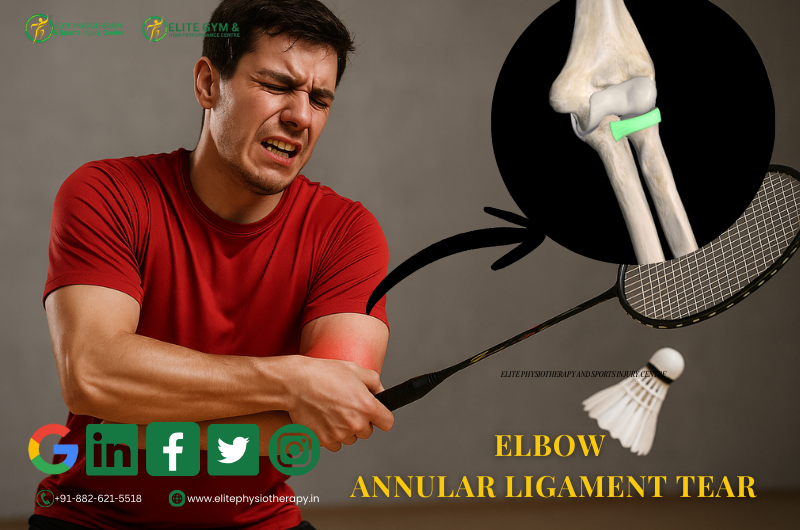
Elbow mobility and stability are impacted by annular ligament injury. Athletes and active people are more likely to have the disorder. The annular ligament permits smooth forearm rotation while stabilizing the radial head. Everyday activities and sports become uncomfortable when one is injured.
For these kinds of problems, Elite Physiotherapy and Sports Injury Centre offers sophisticated evaluation and top-notch physiotherapy treatment. Our evidence-based methods guarantee a quick and secure recuperation.
What Is an Annular Ligament Injury?
The annular ligament surrounds the radial head. During pronation and supination, it maintains joint alignment. When a ligament tears or stretches, damage results. Pain and instability result from the elbow’s loss of smooth rotational control.
Causes of Annular Ligament Injury
Sudden pulling force on the forearm
Fall on an outstretched hand
Repetitive overhead activities
Forceful twisting of the forearm
Direct trauma to the lateral elbow
Poor lifting biomechanics during sports
Weak dynamic stabilizers around the elbow
Types / Classification
Annular Ligament Sprain
The fibers stretch without structural disruption. Pain appears during movement.
Partial Tear
Some fibers tear. Pain increases during rotation and lifting.
Complete Tear / Radial Head Subluxation
The ligament fails to hold the radial head. A “pulled elbow” may occur.
Clinical Features / Signs & Symptoms
Sharp lateral elbow pain
Pain during pronation and supination
Tenderness over the radial head
Weak grip strength
Difficulty lifting objects
Clicking or catching sensation
Limited end-range elbow rotation
Mild swelling around the lateral elbow
Feeling of instability while rotating the forearm
Physiotherapy Management at Elite Physiotherapy and Sports Injury Centre
Our centre uses the latest sports physiotherapy protocols designed for athletes and active individuals. We employ advanced technology and personalized care for optimal recovery.
Strain is lessened by gentle protection positions.
In the early stages, we steer clear of aggressive movement.
2. Manual Therapy
Manual techniques restore soft tissue mobility.
Joint alignment is improved by mild radial head mobilization.
Muscle guarding is lessened by soft tissue relaxation.
Circulation is enhanced by myofascial procedures.
3. High-End Modalities at Elite Physiotherapy
Shock Wave Therapy
Tissue repair is helped by shock waves.
It promotes the production of collagen and lessens chronic inflammation.
In cases of chronic annular ligament irritation, it is effective.
Super Inductive System (SIS)
Deep stabilizing muscles are activated by SIS.
It lessens pain and enhances neuromuscular control.
During rotation, it improves radial head stability.
High-Intensity Laser Therapy (HILT)
Tissue regeneration is accelerated by HILT.
It lessens chronic pain and increases blood flow.
It relieves persistent ligament pain and partial rips.
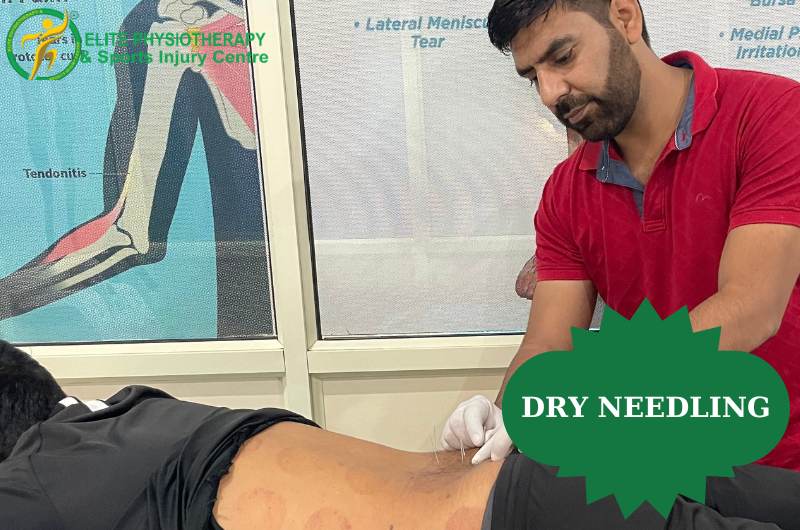
Dry Needling
Tight supinator and extensor muscles are released by dry needling.
It lessens the radial head’s protective spasm.
It swiftly recovers functional mobility.
Cupping Therapy
The circulation surrounding the lateral elbow is enhanced by cupping.
It lessens stiffness and eliminates local congestion.
4. Corrective and Strengthening Exercises
Phase 1: Early Activation
Isometric elbow flexion and extension
Isometric pronation and supination
Scapular setting exercises
Phase 2: Dynamic Control
Theraband resisted supination
Controlled pronation strengthening
Wrist extensor strengthening
Radial head stabilization drills
Phase 3: Functional Strengthening
Closed-chain weight-bearing drills
Forearm rotational endurance
Sport-specific patterns for athletes
5. Proprioception & Neuromuscular Retraining
Ball rotation drills
Elastic band perturbation
Eyes-closed rotational control
6. Return-to-Sport Rehabilitation
We ensure safe return to training.
Athletes undergo:
Functional strength testing
Throwing mechanics analysis
Grip and rotation endurance testing
Load progression for heavy lifts
When Surgery Is Needed
Physiotherapy helps most cases recover.
However, surgical repair may be necessary for total ligament rips accompanied by radial head subluxation.
In these situations, we offer post-operative rehabilitation.
Prevention Tips from Elite Physiotherapy
Warm up before sports
Strengthen forearm muscles regularly
Avoid sudden pulling of the arm
Use correct lifting mechanics
Follow a recovery routine after heavy training
Conclusion
An annular ligament injury can restrict performance and everyday activities. On the other hand, early diagnosis and advanced physiotherapy ensure quick and secure healing. We employ state-of-the-art techniques and customized rehabilitation plans at Elite Physiotherapy and Sports Injury Centre for athletes and active people.
Our staff prioritizes full recuperation, long-term stability, and a return to optimal performance.
Unlock Peak Performance, Prevent Injuries, and Boost Recovery
Imagine pushing on the accelerator as soon as you start your car. Sounds dangerous, doesn’t it? Your body is no different. It’s like asking injury when you go right into strenuous exercises or competitions without a suitable warm-up and flexibility regimen.
Athletes who disregard warm-ups frequently suffer from torn muscles or worse, as we have witnessed at Elite Physiotherapy and Sports Injury Centre. The good news? This is readily avoidable.
What Is a Warm-Up – And Why Is It Non-Negotiable?
The green light for your body is a warm-up. It gets your muscles, joints, heart, and lungs ready for activity. It stimulates your neurological system, increases blood flow, and warms your body. Most significantly, it lowers the possibility of cramps and injury during practice or competition.
Your warm-up should never be optional if you want to give it your all.
4 Key Components of an Effective Warm-Up
Pulse Raiser: To raise heart rate, begin with 5–7 minutes of vigorous walking, light running, or cycling.
Dynamic Movements: Incorporate arm circles, body twists, and leg swings to create dynamic movements. These enhance muscular control and joint mobility.
Muscle Activation: Use bodyweight squats, glute bridges, and scapular push-ups to activate your main muscles.
Sport-Specific Drills: Emulate the motions of your sport. Wrestlers may shadow wrestle; sprinters may skip.
Duration: 10–15 minutes. That’s all it takes to prevent weeks of rehab!
What Is Flexibility? Why It’s Your Secret Weapon
The capacity of your muscles and joints to move freely without pain or restriction is known as flexibility. Flexibility improves posture, decreases stiffness, and increases productivity, whether you’re a desk worker, runner, or lifter.
Types of Flexibility Training You Need to Know
Dynamic Stretching: Dynamic stretching is the ability to move, such as swinging one’s arms or legs. Ideal for warm-ups.
Static Stretching: Maintaining a stretch for 30 to 60 seconds to extend muscles is known as static stretching. Perfect for cooling off.
Active Stretching: Using your muscles to maintain a position is known as “active stretching.”
Passive Stretching: Stretching with assistance, such as a partner or band, is known as passive stretching.
Fact: The best athletes train both mobility and flexibility. You should, too.
What Affects Your Flexibility?
Age: Although flexibility declines with age, it can be maintained or even improved with regular exercise.
Gender: Because of hormonal and anatomical variations, women are typically more adaptable.
Activity Level: Your flexibility increases with movement.
Muscle Tightness or Imbalance: Frequently brought on by injuries, overtraining, or bad posture.
Injury History: Protective stiffness and scar tissue may restrict range of motion.
How Stretching Differs from Mobility Training
Many people mistakenly equate mobility training (improving movement control) with stretching (conditioning tissues). This is how they are different:
STRETCHING
MOBILITY
Focuses on muscle length
Focuses on controlled joint movement
Often static
Often dynamic
Improves flexibility
Improves joint health and control
Best for cool-down
Best for warm-up
Mobility and stretching are complementary but not interchangeable. Make use of dynamic mobility during warming up. To get the most out of your cool-down, use static stretching.
Combine both in your training routine for a body that moves like a well-oiled machine.
What Happens If You Skip Warm-Up and Flexibility Training?
Muscle pulls, cramps, or tears
Poor performance due to stiff muscles
Decreased strength and coordination
Longer recovery time post-training
Mental disconnect between body and mind
Warm-up isn’t just physical; it mentally prepares you to dominate your workout or competition.
Real Benefits You Can Feel
Fewer Injuries – Warm muscles are more adaptable under stress.
Better Performance – You move faster, lift better, and feel stronger.
Increased Range of Motion – You hit deeper squats, cleaner lunges, and sharper turns.
Faster Recovery – Stretching helps flush out metabolic waste and reduces soreness.
Final Takeaway: Make It a Ritual, Not a Choice
At Elite Physiotherapy and Sports Injury Centre, we strongly believe that your pre-training ritual determines your success. Warming up and stretching is not just about preventing injuries—it’s about respecting your body and unlocking its full potential.
If you’re serious about results, don’t start without a warm-up. Don’t end without a cool-down.
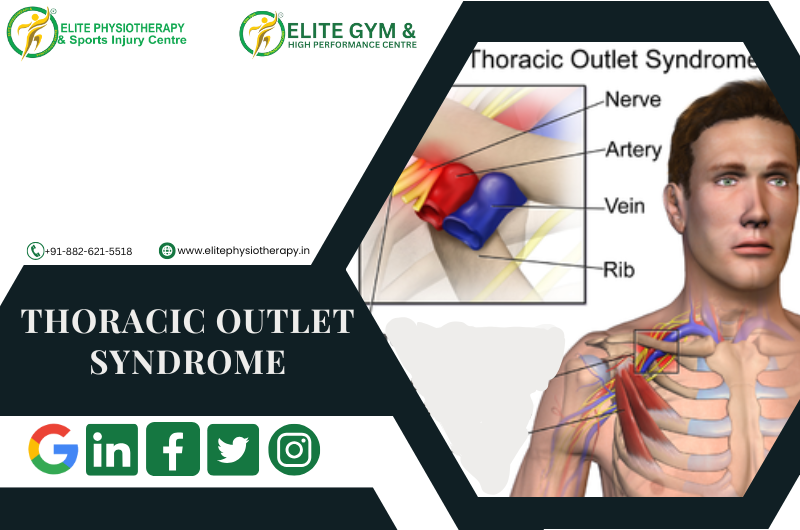
Thoracic Outlet Syndrome (TOS) is a complex and often misunderstood condition that affects the neurovascular structures between the neck and the armpit (axilla). In order to restore optimal function and quality of life, we at Elite Physiotherapy and Sports Injury Centre specialize in the thorough evaluation and upscale physiotherapy treatment of TOS.
The term “TOS” describes a collection of conditions caused by compression of the subclavian vein, subclavian artery, or brachial plexus as they leave the thoracic outlet. The clavicle, first rib, and adjacent muscles, such as the pectoralis minor and scalene, enclose this area.
There are three primary types of TOS:
Neurogenic TOS (most common): The most prevalent neurogenic TOS is brachial plexus compression.
Venous TOS: Causes the subclavian vein to compress.
Arterial TOS (least common): Compression of the subclavian artery is the least common type of arterial TOS.
Causes of Thoracic Outlet Syndrome
Bad posture (forward head, rounded shoulders)
Repetitive overhead tasks (such as those performed by manual laborers or sportsmen)
Tightness or Hypertrophy of certain muscles (scalenes, pectoralis minor)
The neurovascular bundle is compressed as a result of the thoracic outlet narrowing, leading to TOS. This compression is made worse by muscular imbalance, repetitive motions, and poor biomechanics. Over time, discomfort, numbness, and functional restrictions are brought on by vascular deterioration and nerve irritation.
Signs and Symptoms of Thoracic Outlet Syndrome
Neurogenic TOS:
Tingling or numbness in the fingers, hand, or arm
Poor grip strength
Hand muscle atrophy, particularly in the thenar and hypothenar eminence
Pain in the arms, shoulders, or neck
Venous TOS:
Arm swelling
Discoloration that is bluish
Arm heaviness
Arterial TOS:
Pallor or coldness of the hand
Absent or weak pulse
Activity-induced arm fatigue
Diagnosis of TOS at Elite Physiotherapy and Sports Injury Centre
At our centre, we utilize a combination of thorough physical assessment, clinical reasoning, and special orthopedic tests to diagnose TOS accurately.
Functional and Physical Assessment Includes:
Postural Analysis: We evaluate the thoracic, cervical, and scapular alignment.
Range of Motion (ROM): We look for restrictions or pain in the cervical and shoulder movements.
Testing for Muscle Length and Strength: Assessment of the pectoralis minor, trapezius, and scalene muscles.
Neurological Examination: To evaluate muscle weakness, reflexes, and sensory deficiencies.
Special Physiotherapy Tests Used:
Adson’s Test
Roos Test (Elevated Arm Stress Test)
Wright’s Hyperabduction Test
Costoclavicular Maneuver
Physiotherapy Management of Thoracic Outlet Syndrome at Elite Physiotherapy
At Elite Physiotherapy and Sports Injury Centre, we take a holistic and evidence-based approach to treating TOS. Our focus is on correcting biomechanical dysfunctions, reducing compression, and restoring normal movement patterns.
1. Manual Therapy
Myofascial release of scalene and pectoralis minor muscles
Cervical spine mobilization for restoring segmental mobility
First rib mobilization to decompress the thoracic outlet
2. Postural Re-education
Scapular stabilization exercises
Ergonomic corrections for sitting, standing, and overhead tasks
Training deep neck flexors and scapular retractors
3. Stretching and Strengthening
Stretching tight muscles: scalenes, levator scapulae, upper trapezius, and pectoralis minor
Strengthening weak muscles: lower trapezius, serratus anterior, and rhomboids
Closed-chain scapular stabilization exercises
4. Neurodynamic Mobilization
Sliding and tensioning techniques for the brachial plexus
Improves neural mobility and reduces irritation
5. Breathing Pattern Retraining
Diaphragmatic breathing techniques to reduce scalene overuse
Rib mobilization to enhance thoracic mobility
6. Advanced Modalities for Thoracic Outlet Syndrome at Elite Physiotherapy
Super Inductive System (SIS)
Uses high-intensity electromagnetic fields to reduce pain and stimulate muscle contractions without physical strain.
High-Intensity Class 4 Laser Therapy
Deep tissue laser therapy promotes cellular regeneration, reduces inflammation, and accelerates healing in affected neurovascular structures.
Cryotherapy
Effective for reducing acute inflammation, especially in venous TOS or post-traumatic swelling.
CRET Therapy
Enhances circulation, reduces muscle spasm, and supports tissue healing through controlled radiofrequency energy.
Shockwave Therapy
Selective use in chronic muscular tension or fibrotic changes near the thoracic outlet (only when neurovascular structures are not at risk).
Hydrotherapy
Used in selected patients to improve mobility and reduce joint load while performing postural and neuromuscular retraining.
Why Choose Elite Physiotherapy and Sports Injury Centre?
Expertise in sports and orthopedic physiotherapy
Personalized care plans
Comprehensive assessment protocols
High-end physiotherapy technology
One-on-one therapist-led sessions
Focus on long-term recovery and recurrence prevention
Conclusion
Although Thoracic Outlet Syndrome is a difficult illness, it can be efficiently treated with focused Physiotherapy. At Elite Physiotherapy and Sports Injury Centre, we use the most up-to-date methods and techniques to provide individualized, evidence-based treatment. Don’t wait if you or someone you know is exhibiting TOS symptoms. Allow our knowledgeable Team to carefully and precisely lead your recovery process.
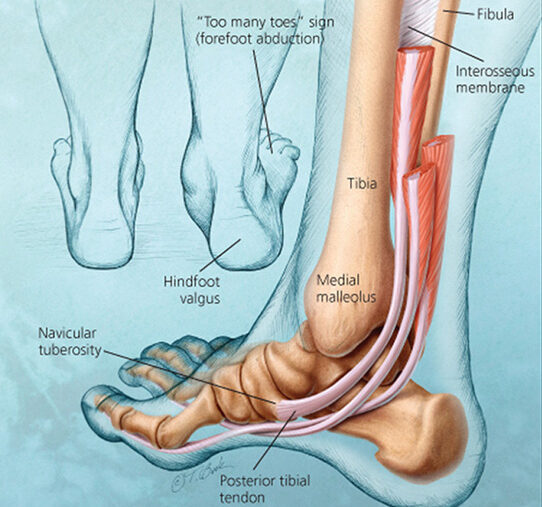
Posterior tibial tendonitis, or posterior tibial tendon dysfunction (PTTD), is a common condition impacting the foot and ankle. It occurs when the posterior tibial tendon becomes inflamed or damaged, impairing its ability to support the arch of the foot. It can give rise to an adult-acquired flatfoot deformity, resulting in pain and reduced mobility.
Causes and Mechanism of Injury
Posterior tibial tendonitis is frequently caused by overuse, especially in activities that put repetitive stress on the tendon, like running, hiking, or walking for extended periods. Obesity, hypertension, diabetes, and prior injuries to the foot or ankle are additional contributing factors. The posterior tibial tendon is essential for keeping the medial arch intact and enabling foot inversion. When this tendon is damaged, it may result in an arch collapse and the onset of a flatfoot deformity.
Signs and Symptoms
Individuals with Posterior tibial tendonitis may experience:
Swelling and pain on the inner side of the ankle and foot.
Flattening of the foot’s arch.
Inward ankle rolling.
Difficulty when trying to stand on tiptoe.
Pain in the foot and ankle, particularly following exercise.
If these symptoms are not treated, they can worsen and result in major deformity and disability.
Diagnostic Methods at Elite Physiotherapy and Sports Injury Centre
At Elite Physiotherapy and Sports Injury Centre, we employ comprehensive physical and functional assessments to diagnose Posterior tibial tendonitis:
Clinical Evaluation: Our physiotherapists perform detailed evaluations, monitoring foot posture, gait characteristics, and regions of sensitivity.
Specialized Physiotherapy Tests: We employ targeted assessments to assess the condition of the posterior tibial tendon:
Single-Leg Heel Raise Test: The patient tries to elevate onto the toes while balancing on one leg. If it is difficult or impossible to do this, it suggests dysfunction of the posterior tibial tendon.
Palpation and Loading Test: Pain and structural integrity are evaluated by applying gentle pressure along the tendon while the foot bears weight.
Physiotherapy Management at Elite Physiotherapy and Sports Injury Centre
Our center offers a holistic approach to managing Posterior tibial tendonitis, focusing on non-surgical interventions tailored to each patient’s needs:
1. Activity Modification:
To avert additional strain on the tendon, we recommend cutting back on or modifying activities that worsen symptoms.
2. Orthotic Support:
Custom-made orthotics or ankle braces are supplied to support the medial arch and stabilize the foot, assisting in proper alignment during everyday activities.
3. Therapeutic Exercises:
A tailored exercise program is created to fortify the posterior tibial tendon and adjacent muscles, thereby improving foot stability and function. Below are key exercises included in our treatment approach:
Strengthening Exercises The purpose of these exercises is to regain strength in the posterior tibial tendon and adjacent muscles, which will lead to enhanced stability of the foot.
1. Resisted Foot Inversion:
Use a resistance band positioned around the foot.
Gently rotate the foot inward while facing resistance.
Do 3 sets of 10 reps for each foot.
2. Heel Raises (Double-Leg & Single-Leg):
Position yourself on a level surface and elevate yourself onto your toes so that your heels are raised off the ground.
Begin with your feet positioned together, then advance to raising one leg.
Execute 3 sets of 15 reps.
3. Arch Doming Exercise (Short-Foot Exercise):
While seated, attempt to elevate the arch of your foot without curling your toes.
Maintain for 5 seconds, then ease up.
Complete three sets of ten reps.
Flexibility & Mobility Exercises To alleviate stress on the posterior tibial tendon, flexibility is essential.
1. Calf Stretch (Stretching the Gastroc & Soleus):
Position yourself so that you are facing a wall, with one foot advanced and the other extended back.
To stretch the gastrocnemius, keep the back leg straight, and to stretch the soleus, bend the knee.
Maintain each stretch for half a minute and do it three times for every leg.
2. Posterior Tibial Tendon Stretch:
Rest your foot on the opposite knee while you sit.
Gently stretch your foot outward with your hands.
Maintain for 20–30 seconds, and do it three times for each leg.
Balance & Proprioception Training Proprioceptive exercises are crucial due to the important function of the posterior tibial tendon in stabilizing the foot.
1. Single-Leg Stance:
Balance on one foot for half a minute, and as you improve, try shutting your eyes or using an unstable surface (like a balance board). Do 3 sets for each leg.
2. Bosu Ball Training:
To improve foot stability, do squats or maintain a single-leg stance on a Bosu ball. Maintain for half a minute, and then replicate three sets.
4. Manual Therapy:
Our physiotherapists utilize methods like soft tissue mobilization and joint mobilization to enhance flexibility, alleviate pain, and bring back normal movement patterns.
Soft Tissue Mobilization (STM)
Targeted massage techniques break down adhesions, enhance blood circulation, and decrease inflammation in the posterior tibial tendon.
STM also targets compensatory muscle tightness in the calves, plantar fascia, and peroneal muscles.
Myofascial Release (MFR)
A slow and sustained stretch relieves tension in the soft tissues surrounding the posterior tibial tendon.
Helps in enhancing foot mobility and reinstating arch support.
Joint Mobilization
Talocrural & Subtalar Joint Mobilization: By improving ankle and foot mechanics, talocrural and subtalar joint mobilization lessens the load on the posterior tibial tendon.
Midfoot Mobilization: The navicular and cuneiform bones are essential for preserving the foot arch.
Active Release Technique (ART)
In order to relieve tension and enhance movement patterns, the physiotherapist applies pressure to the tendon as the patient moves the foot.
Dry Needling & Trigger Point Therapy
To reduce discomfort and enhance muscle activation, dry needling targets trigger sites in the calf muscles and posterior tibial tendon.
5. High-End Modalities:
We use cutting-edge therapy technology to reduce symptoms and hasten healing:
Shock Wave Therapy: Shock wave therapy uses acoustic waves to lessen pain and encourage tissue regeneration.
Capacitive Resistive Electric Transfer (CRET) Therapy: Capacitive Resistive Electric Transfer (CRET) therapy uses targeted electromagnetic energy to improve deep tissue healing.
Super Inductive System: Increases muscle strength and decreases pain by stimulating neuromuscular regions with high-intensity electromagnetic fields.
High-Intensity Class 4 Laser Therapy: High-intensity Class 4 laser therapy delivers deeply penetrating light energy to stimulate tissue repair and reduce inflammation.
Hydrotherapy: Hydrotherapy uses water exercises to increase strength and flexibility while minimizing joint stress.
Cryotherapy: Uses cold therapies to ease pain and reduce inflammation.
Elite Physiotherapy and Sports Injury Centre guarantees a thorough and efficient treatment plan for patients with posterior tibial tendonitis by combining these cutting-edge technologies with conventional physiotherapy procedures.
Conclusion
Effective management of posterior tibial tendinitis depends on early diagnosis and treatment. To restore function and enhance our patients’ quality of life, we at Elite Physiotherapy and Sports Injury Centre are dedicated to offering individualized care using both traditional and innovative methods.
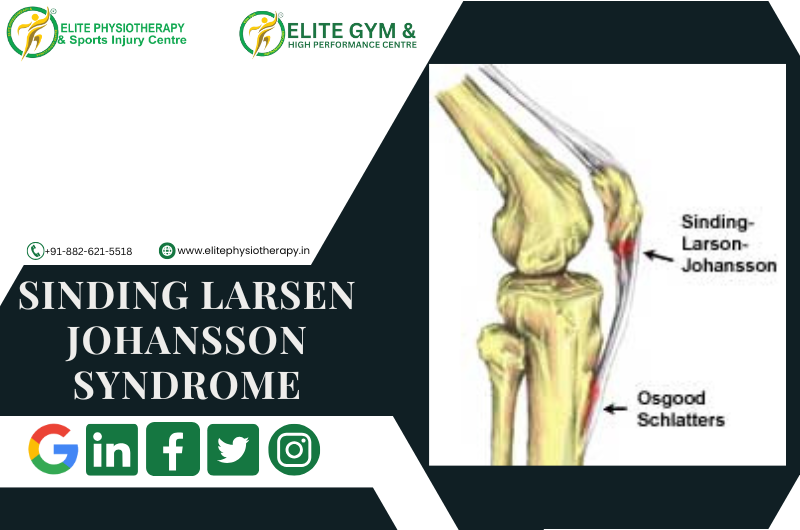
A knee overuse injury known as Sinding Larsen Johansson Syndrome (SLJS) is more common in teenagers who do sports that require repetitive stress, such as running and jumping. We at Elite Physiotherapy and Sports Injury Centre are experts in identifying and managing conditions like SLJS, guaranteeing our patients a successful and individualized recovery process.
Cause and Mechanism of Injury
Repetitive tension on the patellar tendon, which connects to the patella’s lower pole (kneecap), causes SLJS. Particularly during times of rapid growth when bones and tendons are expanding at various rates, this ongoing stress causes inflammation and microtrauma. Young athletes playing high-impact sports like basketball are a classic example, since their frequent jumping puts significant strain on their knee extensor mechanism, leading to SLJS.
Signs and Symptoms
Patients with SLJS may experience:
Localized anterior knee pain at the patella’s base that gets worse when you run, jump, or climb stairs.
Tenderness and swelling near the patellar tendon insertion site.
Restricted knee movement as a result of discomfort, which could cause a noticeable limp.
Pain upon palpation of the affected area.
Diagnostic Methods at Elite Physiotherapy and Sports Injury Centre
Our comprehensive assessment includes:
Detailed Patient History: Compiling a thorough patient history includes learning about the beginning of symptoms, activity levels, and any recent growth surges.
Physical Examination: Examining posture, walking, and knee function using particular tests.
Functional Assessment: Determining deficiencies by evaluating the knee’s strength, flexibility, and range of motion.
Special Physiotherapy Tests:
Clarke’s Test: In order to identify pain suggestive of patellofemoral dysfunction, Clarke’s Test involves applying pressure to the superior aspect of the patella while the patient contracts the quadriceps.
Patellar Compression Test: The patellar compression test is used to detect pain related to problems with the patellar tendon by pressing the patella against the femur.
How Osgood-Schlatter disease is different from Sinding-Larsen-Johansson Syndrome
1. Location of the Issue
Osgood-Schlatter Disease (OSD): Affects the tibial tuberosity, where the patellar tendon inserts on the tibia (shinbone).
Sinding-Larsen-Johansson Syndrome (SLJS): Involves the inferior pole of the patella, where the patellar tendon attaches to the bottom of the kneecap.
2. Cause and Mechanism
OSD: Caused by repetitive stress leading to microtrauma at the tibial tuberosity. Excessive pulling by the quadriceps through the patellar tendon results in inflammation and, in some cases, bone fragmentation.
SLJS: Caused by repetitive traction forces at the inferior pole of the patella, leading to inflammation, microtrauma, or calcification in this area.
3. Clinical Features
OSD Symptoms:
Pain and swelling over the tibial tuberosity.
Tenderness or prominence at the tibial tuberosity (a bony bump may form).
Pain aggravated by running, jumping, or kneeling.
SLJS Symptoms:
Pain and tenderness at the inferior pole of the patella.
Swelling and discomfort during knee extension activities like squatting or jumping.
Pain on palpation directly under the patella.
Physiotherapy Management of Sinding Larsen Johansson Syndrome at Elite Physiotherapy and Sports Injury Centre
Our tailored treatment approach focuses on alleviating pain, reducing inflammation, and restoring function through:
1. Activity Modification: Counseling patients to temporarily stop running and jumping, as these activities aggravate symptoms, in order to promote healing.
2. Cryotherapy: Using ice packs on the afflicted area to reduce pain and swelling.
3. Stretching and Strengthening Exercises:
Quadriceps and Hamstring Stretching: Stretching the hamstrings and quadriceps can improve flexibility and lessen patellar tendon strain.
Strengthening exercises: To support the knee joint and increase general lower limb strength, concentrate on the quadriceps, hamstrings, and calf muscles.
4. High-End Modalities:
Shock Wave Therapy: Using acoustic waves to encourage tissue healing and lessen pain.
Capacitive Resistive Energy Transfer (CRET) Therapy: Using electromagnetic radiation to promote tissue regeneration and reduce inflammation is known as capacitive resistive energy transfer, or CRET, therapy.
Super Inductive System: The Super Inductive System reduces pain and activates muscles by stimulating neuromuscular regions with high-intensity electromagnetic fields.
High-Intensity Class IV Laser Therapy: This method speeds up healing and reduces pain by penetrating deep tissues with laser light.
Hydrotherapy: Performing exercises in a warm pool to increase flexibility and strength while lowering joint tension.
Cryotherapy: Using cold therapy methods to efficiently treat acute pain and inflammation.
5. Patellar Taping or Bracing: By supporting the patella, patellar taping or bracing lessens the strain on the tendon while performing daily tasks.
6. Patient education: Providing direction on appropriate biomechanics, guidelines for a phased return to sports, and recurrence prevention techniques.
Why to choose Elite Physiotherapy and Sports Injury Centre
Our multidisciplinary team at Elite Physiotherapy and Sports Injury Centre is committed to providing individualized care, utilizing cutting-edge modalities to promote the best possible recovery for those with Sinding-Larsen-Johansson Syndrome. Our dedication to quality guarantees that every patient receives a thorough treatment plan customized to meet their unique requirements, facilitating a prompt and secure return to their preferred activities.
Many people use the gym as a means of achieving their fitness goals in the desire for a healthy and active lifestyle. Regular exercise has many advantages, but it also carries a risk of injury, which can range from mild strains/sprains to more serious problems. Offering unmatched physiotherapy treatment for injuries sustained in the gym, Elite Physiotherapy & Sports Injury Centre stands out as a shining example of quality for the management of gym injuries.
Understanding Gym Injuries:
Muscle strains, ligament sprains, joint injuries, and overuse injuries are just a few of the different ways that gym injuries can appear. These may be brought on by bad form, overtraining, a poor warm-up, or even overtraining without enough recovery time. Elite Physiotherapy and Sports Injury Centre has created specific treatment procedures to properly handle the particular problems presented by injuries sustained in the gym.
Comprehensive Assessment and Diagnosis:
Our skilled team of physiotherapists at Elite Physiotherapy and Sports Injury Centre starts the healing process with a comprehensive evaluation and diagnosis. We are aware of how critical it is to pinpoint the injury’s underlying cause to create a customized treatment strategy that encourages the best possible outcome. Our cutting-edge diagnostic equipment and state-of-the-art facilities guarantee accuracy when determining the extent of the injury.
Specialized Physiotherapy Interventions:
Using state-of-the-art physiotherapy techniques created especially for gym injuries is what distinguishes Elite Physiotherapy and Sports Injury Centre. Our knowledgeable physiotherapists use modern technologies, therapeutic exercises, and manual treatment in conjunction to relieve pain, increase range of motion, and improve overall function.
At our clinic, we use state-of-the-art high-end technology to get the best result for you. These special physiotherapy modalities are:
Extracorporeal shockwave therapy.
Super inductive system.
High-intensity class 4 laser.
Cryo therapy machine.
Combo therapy.
TRF therapy.
Personalized Treatment Plans:
Elite Physiotherapy and Sports Injury Centre takes pride in developing individualized treatment regimens for each patient since it understands that every person and injury is different. Our physiotherapy team customizes their approach to meet your unique needs and goals, whether you are recovering from a more severe strain or a persistent overuse injury. This ensures a faster and more effective recovery.
We use various techniques to improve your recovery and this will also help to improve your overall athletic performance. such as:
Our dedication to quality goes beyond the prompt treatment of injuries. Prevention and recovery are major priorities at Elite Physiotherapy and Sports Injury Centre. By means of focused workouts, instruction on appropriate biomechanics, and alterations to lifestyle choices, we enable our clients to not only recover from present problems but also to prevent potential injuries.
Patient-Centric Approach:
Patient satisfaction and well-being are our top priorities at Elite Physiotherapy and Sports Injury Centre. Our committed staff creates a stimulating and encouraging atmosphere, making sure that patients feel strong and in control of their recovery process. We support candid communication and actively include our patients in developing their treatment plans and reviewing their progress.
Conclusion:
Elite Physiotherapy and Sports Injury Centre is a leader in the field of gym injury treatment, providing unmatched knowledge, individualized attention, and cutting-edge physiotherapy methods. We are committed to helping you reach your fitness objectives with a revitalized sense of strength and resilience, going above and beyond simple rehabilitation. Not only do we treat injuries at Elite Physiotherapy and Sports Injury Centre, but we also foster a culture of holistic well-being by stressing the value of continuing care, education, and preventative measures.
Select us for a revolutionary experience that surpasses traditional physiotherapy. Every part of our practice reflects our passion for enabling people to lead active, healthy lives. Allow us to be your partners in healing as we assist you in embracing a lifestyle that promotes longevity and vitality in addition to helping you overcome injuries sustained in the gym.
At Elite Physiotherapy and Sports Injury Centre, where compassion and excellence collide and your health is our top concern, your path to optimal health begins. Put your trust in us to be the cornerstone of your recovery, where our knowledge, creativity, and individualized attention will reinvent your journey toward health.