
Super Inductive System (SIS)

Super Inductive System (SIS): Revolutionizing Physiotherapy at Elite Physiotherapy and Sports Injury Centre

New technologies are changing how injuries are handled and treated in the dynamic field of physiotherapy. The Super Inductive System (SIS), a cutting-edge therapeutic device that blends cutting-edge technology with tried-and-true medical principles to provide unmatched results, is a ground-breaking development. We at Elite Physiotherapy and Sports Injury Centre are proud of being at the forefront of contemporary physiotherapy procedures, and integrating SIS into our practice demonstrates our dedication to giving our patients the finest care possible.

What is the Super Inductive System (SIS)?

The Super Inductive System (SIS) is a noninvasive technology with a wide range of applications that activates neuromuscular structures, improves circulation, and promotes cellular repair. It is an indispensable tool for treating a variety of musculoskeletal conditions. SIS is a revolutionary therapeutic device that uses high-intensity electromagnetic fields to stimulate deep tissue healing and pain relief.

Key Features of SIS:

  1. High-frequency electromagnetic fields: SIS can precisely target tissues since it operates at frequencies between 1 Hz and 150 Hz.
  2. Painless and Non-Invasive: The treatment is completely non-invasive, guaranteeing patient security and comfort.
  3. Versatility: From severe injuries to persistent pain, SIS can treat a wide range of ailments.
  4. Quick Results: After just a few sessions, many patients see a significant improvement.
  5. Customizable Treatments: The system enables therapists to modify treatment plans following each patient’s requirements.

How SIS Works

High-intensity electromagnetic pulses that activate nerve terminals and cause deep muscular spasms are the basis of SIS. These electromagnetic fields are:

  • Boost Blood Circulation: Increased blood flow lowers inflammation and improves tissue healing.
  • Encourage Pain Relief: By interfering with pain signals, electromagnetic waves offer both short-term and long-term pain relief.
  • Promote Bone Healing: SIS is useful in treating osteoporosis and fractures because it promotes osteogenesis.
  • Strengthen Muscles: SIS helps strengthen weak muscles by causing involuntary contractions.

Applications of SIS in Physiotherapy

Elite Physiotherapy and Sports Injury Centre uses The Super Inductive System to treat a variety of ailments, such as:

  1. Chronic Pain: For ailments including fibromyalgia, arthritis, and back pain, SIS offers substantial relief.
  2. Sports Injuries: SIS improves performance and speeds up recovery from sprains, strains, and ligament tears.
  3. Neurological Disorders: The neuromuscular stimulation that SIS provides is beneficial for conditions including paralysis, neuropathy, and spasticity.
  4. Post-Surgical Rehabilitation: SIS reduces the production of scar tissue and promotes a quicker recovery.
  5. Osteoporosis and Bone Fractures: The system is perfect for boosting skeletal health because of its bone-healing capabilities.

Benefits of SIS at Elite Physiotherapy and Sports Injury Centre

To get better results, we at Elite Physiotherapy and Sports Injury Centre have included SIS into our treatment plans. For our patients, SIS is revolutionary for the following reasons:

  • Personalized Care: Every SIS treatment plan is tailored to our patients’ particular need.
  • Faster Recovery: SIS shortens recovery times by boosting the body’s natural healing processes.
  • All-inclusive Solutions: SIS ensures a comprehensive approach to recovery by enhancing other therapy techniques.
  • Expert Guidance:  Our team of skilled physiotherapists has received extensive training on how to optimize the advantages of SIS.

Why Choose Elite Physiotherapy and Sports Injury Centre for SIS Therapy?

One of the most reputable names in cutting-edge physiotherapy care is Elite Physiotherapy and Sports Injury Centre. We guarantee that our patients receive top-notch care by utilizing cutting-edge technology like SIS. We are the go-to place for physiotherapy and sports injury care because of our dedication to quality and patient-centered approach.

Experience the Future of Physiotherapy Today

The Super Inductive System is a revolutionary instrument that expands the potential of physical therapy; it is more than just a technological advancement. Let the professionals at Elite Physiotherapy and Sports Injury Centre use SIS treatment to help you restore your health and vitality if you’re struggling with pain, an injury, or a chronic disease.

For additional information on how the Super Inductive System may support your healing process, get in touch with us right now. Discover the physiotherapy of the future, where compassionate treatment and state-of-the-art technology coexist.
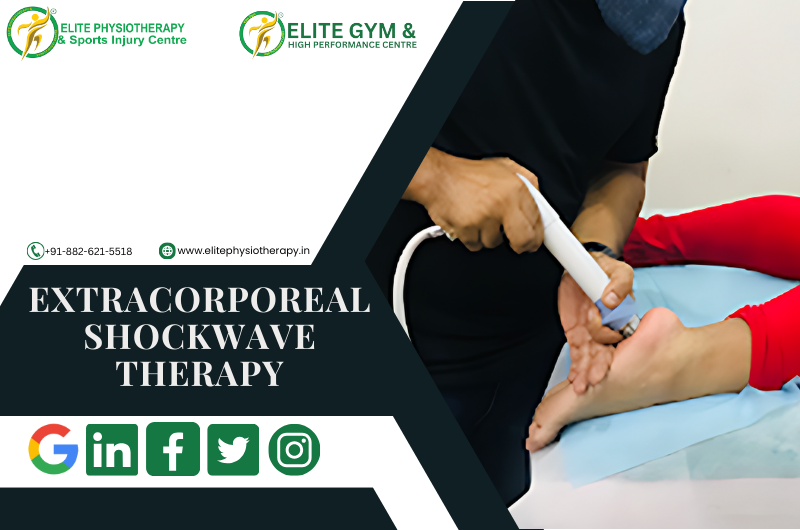
Extracorporeal Shockwave Therapy (ESWT)

Extracorporeal Shockwave Therapy (ESWT): Revolutionizing Pain Management at Elite Physiotherapy and Sports Injury Centre

In the field of physiotherapy, extracorporeal shockwave therapy (ESWT) has become a ground-breaking treatment that gives patients with musculoskeletal disorders and chronic pain hope. At Elite Physiotherapy and Sports Injury Centre, we proudly incorporate this cutting-edge therapy into our comprehensive treatment plans, delivering unmatched care to our patients.

What is Extracorporeal Shockwave Therapy?

ESWT is a non-invasive procedure that uses acoustic waves to promote tissue healing, lessen discomfort, and increase range of motion. Originally developed to dissolve kidney stones, this method has been adapted to treat various sports and orthopedic conditions. Deeply penetrating the afflicted area, the high-energy sound waves encourage tissue regeneration, collagen synthesis, and blood circulation.

Conditions Treated with Shockwave Therapy

At Elite Physiotherapy and Sports Injury Centre, we use ESWT to treat a wide range of conditions, including:

  1. Plantar Fasciitis: Chronic heel discomfort brought on by plantar fascia inflammation is known as plantar fasciitis.
  2. Tennis and Golfer’s Elbow: Tendinopathies brought on by repeated strain on the elbow tendons are known as tennis and golfer’s elbow.
  3. Shoulder Calcific Tendonitis: Pain and stiffness are caused by calcium buildup in the shoulder tendons.
  4. Achilles Tendinopathy: Achilles tendinopathy causes pain and inflammation in the Achilles tendon.
  5. Patellar Tendinopathy: Patellar tendinopathy, commonly known as jumper’s knee, is a common condition in sports.
  6. Myofascial trigger pointsExcruciating muscular knots that limit range of motion.
  7. Shin Splints: Overuse or stress-related pain along the shin bone.

Shockwave therapy effectively treats many other sports and musculoskeletal injuries beyond the conditions listed above..

How ESWT Works

The therapy uses a specialized device to deliver focused or radial shockwaves to the affected area. These shockwaves accelerate the body’s natural healing processes by:

  • Increasing blood flow to the area.
  • Improving the mechanics of cellular repair.
  • Breaking down calcified deposits.
  • Desensitizing nerve endings to lessen pain.

The treatment requires no anesthesia or recovery time and takes place in brief sessions, typically lasting 15 to 20 minutes. After three to five sessions, the majority of patients report notable improvements.

Why Choose Elite Physiotherapy and Sports Injury Centre for ESWT?

To achieve the best outcomes, we at Elite Physiotherapy and Sports Injury Centre mix state-of-the-art equipment with individualized treatment. What makes us unique is this:

  1. Expert Team: Our physiotherapists stay updated on the latest ESWT procedures to deliver safe and efficient therapy.
  2. Holistic Approach: To address the underlying source of pain, we combine ESWT with other evidence-based treatments such as manual therapy, exercise rehabilitation, and recovery sessions like ice baths, hydrotherapy, etc.
  3. Patient-Centered Care: We customize each treatment program to match the patient’s needs, objectives, and lifestyle.
  4. Modern Equipment: Our clinic has state-of-the-art ESWT equipment, which guarantees accurate and effective care.

Benefits of ESWT

There are several advantages for patients receiving ESWT at Elite Physiotherapy and Sports Injury Centre, such as:

  • Pain relief: A notable decrease in persistent pain that doesn’t require medicine.
  • Faster Recovery: Injured tissues heal more quickly.
  • Better Mobility: Restoring function and movement in afflicted areas.
  • Non-Invasive: A risk-free, minimally invasive surgical substitute.

Your Journey to Pain-Free Living Starts Here

Extracorporeal shockwave therapy may provide the answer you need for chronic pain or a sports injury. Our goal at Elite Physiotherapy and Sports Injury Centre is to assist you in achieving both peak performance and long-lasting relief.

Contact us today to schedule a consultation and take the first step towards a healthier, pain-free life.

Understanding and Overcoming Supraspinatus Tendinitis

Introduction:

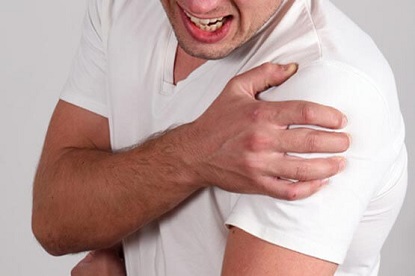
Shoulder pain is a common complaint that can significantly impact daily life. One prevalent cause of shoulder discomfort is supraspinatus tendinitis, a condition affecting the supraspinatus tendon in the shoulder. In this blog post, we’ll delve into what supraspinatus tendinitis is, its causes, symptoms, and most importantly, effective strategies for overcoming this painful condition.

What is Supraspinatus Tendinitis?

The supraspinatus tendon in the shoulder plays a crucial role in arm movement. Supraspinatus tendinitis occurs when this tendon becomes inflamed, usually due to overuse or repetitive shoulder motions. Athletes, particularly those involved in overhead sports like swimming or baseball, are often susceptible to this condition.

Causes and Symptoms:

  • Causes:
  • • Overuse and repetitive stress on the shoulder.
  • • Aging, leading to wear and tear of the tendon.
  • • Poor shoulder mechanics or improper exercise techniques.
  • • Trauma or injury to the shoulder.
  • Symptoms:
  • • Gradual onset of shoulder pain.
  • • Pain while lifting or reaching overhead.
  • • Weakness in the affected arm.
  • • Limited range of motion.

Diagnosing Supraspinatus Tendinitis:

If you suspect supraspinatus tendinitis, it’s crucial to consult with a healthcare professional. Diagnosis typically involves a physical examination, discussion of symptoms, and may include imaging studies such as X-rays or MRI scans.

Treatment Options:

  • Rest and Ice:
    • Give the shoulder adequate time to rest, and use ice to reduce inflammation.
  • Physical Therapy:
    • Targeted exercises to strengthen the shoulder muscles and improve range of motion.
  • Anti-Inflammatory Medications:
    • Nonsteroidal anti-inflammatory drugs (NSAIDs) can help manage pain and reduce inflammation.
  • Corticosteroid Injections:
    • In some cases, a healthcare provider may recommend corticosteroid injections to alleviate inflammation.
  • Lifestyle Modifications:
    • Adjusting activities that aggravate the shoulder, and maintaining proper posture.
  • Preventive Measures:
  • Proper Warm-up:
    • Before engaging in physical activities, ensure a thorough warm-up to prepare the shoulder muscles.
  • Strength Training:
    • Focus on strengthening exercises for the shoulder and surrounding muscles.
  • Technique Improvement:
    • Whether in sports or daily activities, ensure proper technique to prevent undue stress on the shoulder.

Physiotherapy Management for Supraspinatus Tendinitis:

Comprehensive Care for Shoulder Health
Supraspinatus tendinitis, characterized by inflammation of the supraspinatus tendon, often requires a multidimensional physiotherapy approach for effective management. Physiotherapy plays a crucial role in relieving pain, restoring shoulder function, and preventing recurrence. Here’s a detailed look at the various components of physiotherapy management:

  • Initial Assessment:
  • The physiotherapist will begin with a thorough assessment, evaluating the patient’s medical history, and symptoms, and conducting a physical examination to determine the extent of shoulder involvement. Diagnostic imaging may also be considered.
  • Pain Management:
  • Ice and Heat Therapy:
    • Application of ice in the initial stages to reduce inflammation, followed by heat therapy to promote blood flow and relax muscles.
  • Extracorporeal shockwave therapy
  • Exercise Prescription:
  • Range of Motion (ROM) Exercises:
    • Pendulum exercises to promote gentle movement and improve flexibility.
    • Codman’s exercises to encourage controlled circular shoulder movements.
    b. Strengthening Exercises:
    • Isometric exercises targeting the supraspinatus and surrounding muscles, gradually progressing to resistance exercises.
    • External rotation exercises with resistance bands to strengthen the rotator cuff.
    c. Stretching Exercises:
    • Sleeper stretch to improve internal rotation flexibility.
    • Cross-body stretch to enhance external rotation and flexibility.
    d. Scapular Stabilization Exercises:
    • Wall slides and scapular retraction exercises to stabilize the shoulder blades.
    • Extracorporeal shockwave therapy
  1. Manual Therapy:
    a. Soft Tissue Massage:
    • Targeted massage to alleviate muscle tension and improve blood circulation.
    b. Joint Mobilization:
    • Gentle mobilization techniques to enhance shoulder joint mobility.
    c. Trigger Point Release:
    • Addressing trigger points in the shoulder and surrounding muscles to alleviate pain.
    • Extracorporeal shockwave therapy
  2. Electrotherapy:
    a. Ultrasound Therapy:
    • Application of ultrasound waves to promote healing and reduce inflammation.
    b. Transcutaneous Electrical Nerve Stimulation (TENS):
    • Use of electrical impulses to alleviate pain and stimulate the release of endorphins.
  3. Posture Correction:
    • Education on maintaining proper posture to reduce strain on the shoulder.
  4. Functional Training:
    • Incorporating exercises that mimic daily activities to improve functional strength and coordination.
  5. Home Exercise Program:
    • Prescribing a tailored home exercise program to ensure consistent progress and maintenance of shoulder health.
  6. Patient Education:
    • Providing information on lifestyle modifications, ergonomic principles, and strategies to prevent future episodes.
  7. Progress Monitoring:
    • Regular follow-ups to assess progress, adjust treatment plans, and address any emerging issues.

  • Conclusion:
    Physiotherapy for supraspinatus tendinitis is a holistic approach encompassing various modalities. The combination of exercises, manual therapy, and electrotherapy, along with patient education and functional training, aims not only to alleviate current symptoms but also to empower individuals with the tools to maintain optimal shoulder health in the long term. It’s crucial for patients to actively participate in their rehabilitation, fostering a collaborative effort between the physiotherapist and the individual for the best outcomes.