Fixed Flexion Deformity Explained: What Stops Your Joint from Straightening?

Introduction

A painful joint disorder that impairs functional mobility, particularly in athletes and active people, is called fixed flexion deformity (FFD). Using cutting-edge tools and customized rehabilitation plans, we at Elite Physiotherapy and Sports Injury Centre are experts in the thorough and sophisticated physiotherapy care of FFD. Our method restores range of motion and improves quality of life by combining advanced modalities with comprehensive functional evaluations.

What Is Fixed Flexion Deformity?

Fixed Flexion occurs when soft tissue or bone limitations prevent a joint, especially the knee or elbow, from being fully extended. This condition is referred to as Fixed Flexion Deformity. Even with outside help, the joint in this situation cannot fully extend and stays in a partially flexed position.

Causes of Fixed Flexion Deformity

  • Prolonged joint immobilization (post-injury or surgery)
  • Muscle imbalances or tightness, especially hamstring or biceps contractures
  • Joint effusion or intra-articular swelling
  • Fibrosis or adhesions in periarticular structures
  • Post-traumatic arthritis or osteoarthritis
  • Neurological disorders causing spasticity or contractures
  • Congenital conditions or developmental joint abnormalities

Usually, FFD develops gradually. For example, if the joint is kept in a flexed position for a long period of time following an injury, the soft tissues will adapt by shortening. Extension is limited throughout time by fibrotic alterations in the muscles, ligaments, and joint capsules. Incomplete healing or inadequate rehabilitation can also make the illness worse.

Clinical Features and Symptoms

  • Unable to completely straighten the affected joint
  • Stiffness in the joints, particularly after rest or in the morning
  • Pain or discomfort when exercising or lifting weights
  • Functional restriction,s whether it comes to lifting, running, or walking
  • Changes in the lower limb FFD gait pattern
  • Muscle atrophy brought on by inactivity
  • Joint malformation that is visible in more advanced cases

Diagnosis at Elite Physiotherapy and Sports Injury Centre

Effective therapy at our clinic is based on a precise diagnosis. For every patient, we employ a mix of functional and physical evaluations.

Physical Assessment Includes:

  • Active and passive range of motion are measured goniometrically.
  • Checking for fibrosis, tightness, and tenderness
  • Muscle testing by hand to detect imbalances or weakness
  • Assessment of joint play to determine capsular limitations

Special Physiotherapy Tests:

Advanced Physiotherapy Management at Elite Physiotherapy

At Elite Physiotherapy, our Team is committed to treating the underlying cause rather than just the symptoms. To deliver safe and efficient care, we integrate functional rehabilitation, manual therapy, and state-of-the-art modalities.

1. Manual Therapy Techniques

  • Myofascial release to target soft tissue restrictions
  • Joint mobilization to improve capsular elasticity
  • Soft tissue manipulation for fibrosis breakdown
  • Muscle energy techniques to lengthen shortened muscles

2. Stretching and Mobility Exercises

  • Prolonged low-load static stretching using positioning aids
  • Active-assisted and passive stretching exercises
  • Functional movement training to integrate improved ROM
  • Proprioceptive neuromuscular facilitation (PNF) for neuromuscular control

3. Strengthening Exercises

  • Isometric and eccentric strengthening for antagonist muscles
  • Closed-chain exercises to improve joint stability
  • Functional retraining to restore gait or upper limb function

4. High-End Modalities for FFD Management

CRET Therapy (Capacitive and Resistive Electric Transfer)

  • Promotes deep tissue heating
  • Reduces fibrosis and improves elasticity
  • Enhances cellular metabolism and tissue regeneration

Super Inductive System (SIS)

  • Stimulates neuromuscular activation
  • Breaks pain-spasm-pain cycle
  • Improves joint mobility and motor control

High-Intensity Class 4 Laser Therapy

  • Penetrates deep tissues to reduce inflammation and fibrosis
  • Stimulates collagen remodeling
  • Accelerates healing of soft tissue structures

Shockwave Therapy (if fibrosis is present)

  • Used carefully in chronic cases with soft tissue calcifications
  • Stimulates neovascularization and tissue regeneration
  • Breaks down adhesions and scar tissue

Hydrotherapy

  • Useful for early mobility training in chronic FFD
  • Reduces joint loading while promoting ROM
  • Aids in functional muscle activation

Personalized Care at Elite Physiotherapy

We are aware that each patient is unique. Our FFD treatment regimens are therefore completely tailored and modified following goals, progress, and response. We guarantee the following at Elite Physiotherapy and Sports Injury Centre:

  • Individualized care from skilled physiotherapists
  • Frequent monitoring of functional progress
  • Resolving the contributing biomechanical issues
  • Support for athletic and ergonomic training
  • Exercise regimen at home with professional supervision

When to Seek Help

Consult us right away if you observe a gradual loss of extension or joint stiffness that doesn’t go away with rest. Early intervention lowers the chance of lifelong malformation and greatly improves results.

Final Thoughts

Fixed Flexion Deformity restricts performance, confidence, and independence in addition to affecting joints. Elite Physiotherapy & Sports Injury Centre enables patients to regain full mobility and resume optimal performance through a targeted, evidence-based, and comprehensive physiotherapy approach. We are the premier option for managing FFD in Delhi and NCR due to our cutting-edge physiotherapy solutions and extensive clinical expertise.

Book your consultation today and take the first step toward a pain-free, mobile future.

SI Joint Pain Explained: Advanced Physiotherapy Treatment at Elite Physiotherapy

Introduction

A common but sometimes misdiagnosed condition affecting the lower back and buttocks is sacroiliac (SI) joint pain. Our specialty at Elite Physiotherapy and Sports Injury Centre is precise diagnosis and state-of-the-art management of SI joint dysfunction. We guarantee our patients’ functional recovery and long-lasting alleviation by employing cutting-edge modalities and sophisticated physiotherapy procedures.

What Is the SI Joint and Why Does It Matter?

The sacrum, or base of the spine, and the ilium, or pelvic bone, are joined on both sides by the sacroiliac joint. It provides stability and stress absorption and is essential in the transfer of weight between the upper torso and lower limbs. This joint can cause severe pain and limited motion if it becomes irritated, inflamed, or malfunctioning.

Causes of SI Joint Pain

It may arise due to various reasons, including:

  • Traumatic injury (fall, sudden impact)
  • Repetitive stress from sports or prolonged standing
  • Pregnancy-induced ligament laxity
  • Inflammatory conditions like ankylosing spondylitis
  • Leg length discrepancies
  • Postural imbalances or altered biomechanics

Mechanism of Injury

Either hypomobility (limited movement) or hypermobility (excess movement) of the joint are the usual cause of SI joint dysfunction. Both disorders cause inflammation, muscle imbalance, and referred pain by interfering with the body’s natural load distribution.

Signs, Symptoms, and Clinical Features

Patients with SI joint dysfunction often report:

  • Dull or sharp pain in the lower back, buttocks, or posterior thigh
  • Pain worsens with standing, stair climbing, or prolonged sitting
  • Difficulty turning in bed or rising from a seated position
  • Tenderness over the PSIS (posterior superior iliac spine)
  • Sometimes, leg pain without true nerve involvement

Diagnostic Methods at Elite Physiotherapy

At Elite Physiotherapy and Sports Injury Centre, we rely on detailed clinical assessment, movement analysis, and specialized physical tests to accurately diagnose SI joint dysfunction. Our assessment includes:

Physical and Functional Evaluation

  • Postural and pelvic alignment assessment
  • Gait and functional movement analysis
  • Muscle strength, flexibility, and stability testing

Special Tests for SI Joint Pain

We use a combination of validated orthopedic tests to provoke and isolate SI joint dysfunction:

  • Distraction Test
  • Compression Test
  • Thigh Thrust Test
  • Gaenslen’s Test
  • Sacral Thrust Test
  • FABER (Patrick’s) Test

A positive response in three or more of these tests significantly increases the diagnostic accuracy for SI joint pathology.

Personalized Physiotherapy Treatment at Elite Physiotherapy

Our treatment philosophy at Elite Physiotherapy is personalized, evidence-based, and function-focused. We use an integrated approach that includes:

1. Manual Therapy

  • SI joint mobilization or manipulation
  • Soft tissue release for gluteal, piriformis, and iliopsoas tightness
  • Myofascial release to relieve muscular adhesions

2. Corrective Exercises

Our rehab plans are built to restore stability, mobility, and strength:

  • Core stabilization exercises to support pelvic alignment
  • Pelvic tilt, bridging, and clamshells for gluteal activation
  • Functional movement retraining (lunges, squats) with proper pelvic control
  • Proprioceptive and neuromuscular re-education for joint control and balance

We progress exercises based on patient goals, functional limitations, and sport-specific requirements.

3. High-End Modalities at Elite Physiotherapy

We combine clinical expertise with advanced modalities to accelerate healing:

Shockwave Therapy

  • Useful in chronic SI joint pain due to ligament or tendon irritation. It promotes tissue repair and pain relief.

CRET Therapy (Capacitive and Resistive Electric Transfer)

  • Improves deep tissue healing, reduces inflammation, and enhances blood flow to the sacroiliac region.

Super Inductive System (SIS)

  • Used for pain modulation and muscle activation around the pelvis and lumbar spine. It’s non-invasive and safe for SI joint issues.

High-Intensity Class 4 Laser Therapy

  • Delivers deep photothermal stimulation to reduce pain, relax muscles, and improve circulation in the affected area.

Cryotherapy

  • Effective in managing acute SI joint inflammation by reducing swelling and muscle spasm.

Hydrotherapy (if indicated)

  • For patients with high pain levels or poor tolerance to land-based exercises. Water buoyancy reduces joint stress while allowing movement.

Note: We use these modalities based on condition severity, chronicity, and patient-specific responses. Our approach is always customized.

4. Ergonomic and Postural Correction

  • We educate patients on proper posture, lifting techniques, and workstation modifications to prevent recurrence. For athletes, we tailor sport-specific biomechanical correction strategies.

5. Taping and Bracing

  • We use kinesiology taping or pelvic belts to provide temporary support, especially in hypermobility cases or during pregnancy-related SI joint dysfunction.

Why Choose Elite Physiotherapy for SI Joint Pain?

Elite Physiotherapy and Sports Injury Centre, a reputable name in orthopaedic and sports rehabilitation, is situated in Delhi, NCR. For long-lasting effects, our highly skilled therapists employ a comprehensive, cutting-edge approach.

We stand out because:

  • Personalized 1-on-1 treatment sessions
  • State-of-the-art modalities and machines
  • Functional assessments with sports-specific integration
  • Safe and effective pain management without drugs
  • Emphasis on long-term recovery and performance

Don’t Ignore Your SI Joint Pain

Chronic pain, postural problems, or compensating injuries in the lower spine or hips can result from untreated SI joint dysfunction. Quality of life can be enhanced and problems can be avoided with early diagnosis and skilled physical treatment.

Book your consultation today at Elite Physiotherapy and Sports Injury Centre. Let us help you move pain-free and perform better with expert hands and advanced physiotherapy care.

Dynamic Tape: Revolutionizing Functional Movement Support

Introduction

Taping is an essential method used by physiotherapists to help with movement correction, pain reduction, and healing in the field of sports injury treatment and rehabilitation. Dynamic Tape, a biomechanical tape that is very different from standard Kinesiology Taping (K-Tape) in terms of its characteristics, application methods, and clinical results, is one of the most inventive taping procedures to come out in recent years.

Both Dynamic Tape and K-Tape are commonly used at Elite Physiotherapy and Sports Injury Centre, depending on the athlete’s condition, functional objectives, and biomechanical deficiencies. However, the effectiveness of treatment can be significantly impacted by knowing when and how to employ each.

What is Dynamic Tape?

Dynamic Tape is an elastic, biomechanical tape developed with high resistance and recoil properties. Unlike K-Tape, which mainly works on a neurosensory and circulatory level, Dynamic Tape is designed to absorb and release load—making it ideal for athletes with high functional demands.

Key Features of Dynamic Tape:

  • It has a much stronger elastic capacity and four-way stretch (length and width) because it is made of nylon and lycra.
  • Has the same ability as tendons to store and release energy.
  • Used to give resistance and preload the tape in a shorter position.
  • Frequently employed to support movement patterns, absorb loads, and make biomechanical corrections.

Clinical Benefits of Dynamic Tape

1. Load Reduction on Injured Tissues:

  • Absorbs mechanical stress and aids in the offloading of muscles, tendons, or joints.
  • Perfect for rotator cuff overload, patellofemoral discomfort, and tendinopathies.

2. Movement Assistance:

  • Supports desirable joint mechanics, which improves functional activities like lifting, running, and squatting.
  • Frequently used in sports rehabilitation to preserve technique while fatigued.

3. Pain Modulation:

  • Helps with both acute and chronic pain issues by easing the tension on sore structures.

4. Improves Movement Efficiency:

Particularly helpful for athletes who want to maximize their biomechanics during training or competition.

Dynamic Tape vs. Kinesiology Tape (K-Tape)

AspectDynamic TapeK-Tape
MaterialNylon + Lycra (strong elastic)Cotton or synthetic fabric with elastic polymer
Stretch Ability200% stretch in all directions (4-way stretch)~140% stretch, mostly in one direction (2-way)
Primary FunctionBiomechanical load management and movement assistNeurosensory feedback, proprioception, lymphatic flow
Application PositionApplied in shortened muscle positionsApplied in stretched muscle positions
Elastic RecoilStrong recoil for movement assistanceMild recoil for sensory input
Water ResistanceHighly durable, water-resistantModerate durability, water-resistant
Best ForTendinopathy, joint offloading, sports performanceEdema, pain modulation, proprioceptive feedback

When to Choose Dynamic Tape Over K-Tape?

At Elite Physiotherapy and Sports Injury Centre, we assess the goal of taping before choosing the type:

Choose Dynamic Tape when the priority is:

  • Load absorption (e.g., patellar or Achilles tendinopathy)
  • Movement correction (e.g., valgus knee during squat)
  • Assistance with functional tasks (e.g., running form in sprinters)

Choose K-Tape when:

  • Reducing pain sensitivity (e.g., shoulder impingement)
  • Managing swelling or bruising (e.g., post-acute injury edema)
  • Enhancing proprioception in early rehab stages

How We Use Dynamic Tape at Our Clinic

At Elite Physiotherapy and Sports Injury Centre, our therapists use Dynamic Tape as part of a comprehensive rehab program:

  • To find problematic patterns, functional assessment is carried out (e.g., using particular tests and movement analysis).
  • Depending on the shortfall, this tape is then used to help or hinder motions.
  • It improves therapeutic results and expedites return to sport when used in conjunction with manual therapy, Class 4 Laser, SIS, or CRET.

Conclusion

Dynamic tape is an effective biomechanical tool with a different function than kinesiology tape, so it shouldn’t be used in place of it. It has become a vital component of contemporary physiotherapy, particularly in high-performance sports rehabilitation, due to its exceptional capacity to absorb load and promote effective mobility.

Because informed, evidence-based care is the first step towards optimal recovery, we at Elite Physiotherapy and Sports Injury Centre customize tape solutions based on each person’s biomechanics, sport demands, and recovery objectives.

In-Season vs Off-Season Physio Care: What Athletes Must Know

Introduction

Physiotherapy is an essential component of your performance cycle, whether you’re a football player in top competition mode or a cricket player preparing for a game. Since sports demands change during the season, so too must your physiotherapy care, according to Elite Physiotherapy and Sports Injury Centre.

This article explains the differences between off-season and in-season physiotherapy and how our clinic’s individualized care guarantees that you’re not only injury-free but also constantly improving.

Why Seasonal Physio Planning Matters

Every stage of an athlete’s year, including pre-season, transition, off-season, and in-season, has its own set of demands on recuperation. Neglecting this may result in:

  • Overtraining-related injuries
  • Persistent exhaustion
  • plateau in performance
  • Poor recovery in between contests

Our seasonally appropriate physiotherapy method aligns your body with your training objectives.

In-Season Physio Care: Precision + Recovery = Performance

Goals of In-Season Physiotherapy:

  • Maintain performance and strength
  • Prevent injuries through regular screening
  • Accelerate recovery between matches
  • Address any acute pains or strains early
  • Ensure optimal joint and muscle mobility

Our In-Season Care Approach Includes:

1. Weekly Functional & Physical Screening:

Early detection of tightness, fatigue, or compensation patterns using special tests (e.g., Y-Balance, hop tests, resisted muscle testing, movement control screens).

2. Recovery Modalities:

We apply high-end physiotherapy tools such as:

3. Sport-Specific Manual Therapy:

Targeted myofascial release, taping, and joint mobilization tailored to specific sports.

4. Match-Ready Activation Sessions:

Pre-game neuromuscular facilitation, agility drills, and serratus/gluteal priming.

5. Education on Load Management:

Athletes learn how to monitor fatigue, hydration, recovery windows, and manage training intensity smartly.

Off-Season Physio Care: Build the Foundation, Fix the Flaws

The off-season is a fantastic time to make changes. At this point, players need to address chronic imbalances, past injuries, and underlying movement inefficiencies.

Goals of Off-Season Physiotherapy:

  • Injury rehabilitation and prevention
  • Mobility and flexibility restoration
  • Strengthening weak links (core, hips, scapula)
  • Functional capacity enhancement
  • Prehab for the upcoming season

Our Off-Season Protocol Includes:

1. Full Body Biomechanical Assessment:

We perform functional movement screens, postural analysis, and gait assessments to detect hidden dysfunctions.

2. Corrective Training + Strength Programs:

Targeted programs are designed to:

  • Improve core stability
  • Restore joint mobility (shoulder, hip, ankle)
  • Build neuromuscular control and symmetry

3. Modalities for Chronic Issues:

  1. CRET (Capacitive-Resistive Energy Transfer) for deep tissue healing
  2. Dry Needling + Electrotherapy for chronic trigger points
  3. Laser + IASTM (Instrument Assisted Soft Tissue Mobilization) for scar remodeling

4. Performance Enhancement Training:

Integration of agility, proprioception, plyometric drills, and sport-specific mechanics.

Prehab is as Crucial as Rehab

Most injuries we see in the in-season have roots in:

  • Poor recovery in off-season
  • Skipping prehab
  • Uncorrected movement dysfunction

That’s why at Elite Physiotherapy, we push the concept of “Prehab Before Play.” Every athlete—elite or amateur—benefits from a structured physiotherapy plan across all seasons.

Why Choose Elite Physiotherapy and Sports Injury Centre

  • Sports-specialized physiotherapists with national & international experience
  • Advanced modalities like Class 4 Laser, CRET, SIS, and Hydrotherapy
  • Tailored athlete-centric protocols
  • Functional and physical assessments based on the latest clinical frameworks
  • Emphasis on holistic recovery: mobility, strength, neuromuscular control, and education

Conclusion: Let Your Physio Plan Match Your Sports Season

Your body isn’t under the same pressure all year, so your physiotherapy shouldn’t be either. Whether you’re defending your title or rebuilding after a tough season, Elite Physiotherapy is your performance partner every step of the way.

Aquatic Therapy: A Gentle Yet Powerful Approach to Recovery and Performance

At Elite Physiotherapy and Sports Injury Centre, we believe that there should never be a one-size-fits-all approach to recovery. For this reason, we offer Aquatic Therapy, a scientifically supported water-based rehabilitation method that is both effective for your recovery and gentle on your joints. Aquatic therapy can help you heal more quickly and with less stress, whether you’re an athlete recuperating from an injury, someone with chronic pain, or a patient undergoing post-surgical rehabilitation.

What is Aquatic Therapy?

Under the guidance of a licensed physiotherapist, aquatic therapy-also referred to as hydrotherapy or water-based physiotherapy a therapeutic approach carried out in a pool with a controlled temperature. In a safe setting, the buoyancy, viscosity, and hydrostatic pressure of water are used to enhance movement, lessen joint stress, and promote muscle activation.

Why Choose Aquatic Therapy?

The unique properties of water make it an ideal environment for healing:

1. Buoyancy

Because water reduces the forces of gravity, moving is painless. People with arthritis, joint degeneration, or post-operative limitations can particularly benefit from this.

2. Resistance

Strength, balance, and endurance can all be enhanced by the multidirectional resistance that water offers without running the danger of high-impact injuries.

3. Hydrostatic Pressure

This helps the body recover from inflammation and edema by supporting it, reducing swelling, and improving circulation.

4. Thermal Effects

Warm water is the ideal medium for moderate yet efficient rehabilitation because it encourages muscular relaxation, lowers stiffness, and lessens pain sensitivity.

Indications for Aquatic Therapy

Aquatic therapy is highly effective for a range of conditions, including but not limited to:

  • Rehabilitation following surgery (hip/knee replacement, ACL reconstruction, rotator cuff repair)
  • Sports-related injuries (overuse injuries, ligament sprains, and muscular strains)
  • Arthritis and joint disorders
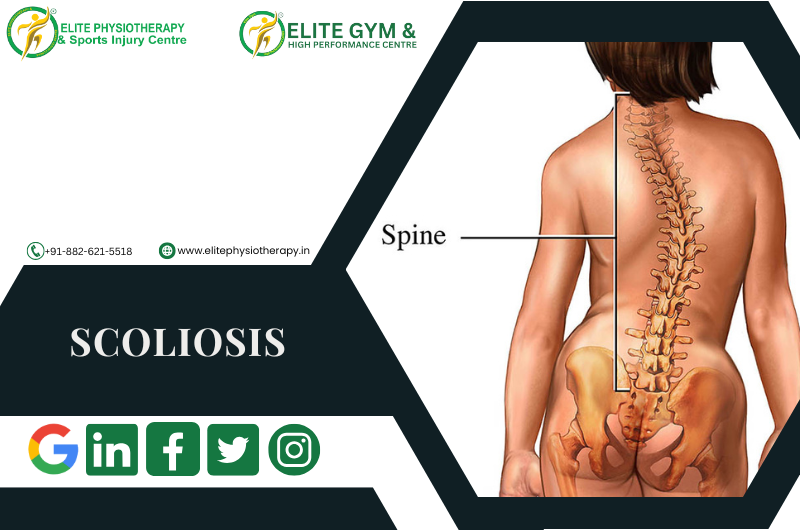
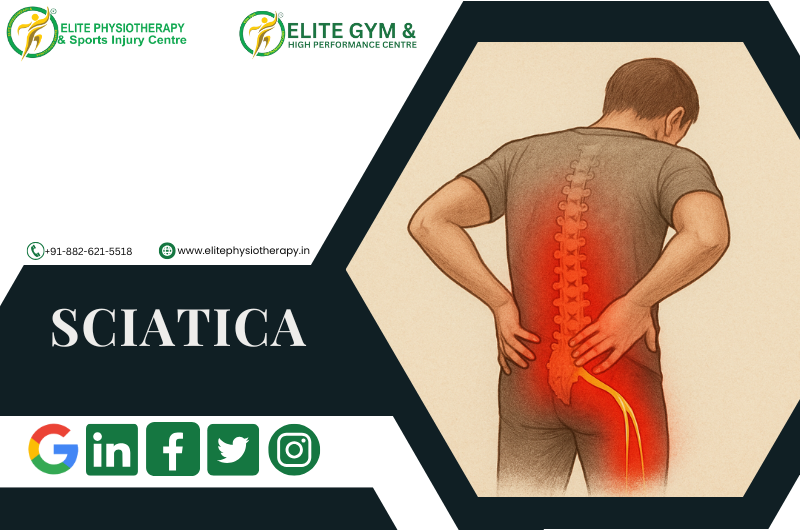
  • Spinal disorders (scoliosis, sciatica, herniated disc)
  • Neurological conditions (multiple sclerosis, Parkinson’s, stroke)
  • Chronic pain syndromes (low back pain, fibromyalgia)
  • Pediatric conditions (cerebral palsy, developmental delay)

Aquatic Therapy at Elite Physiotherapy and Sports Injury Centre

At Elite Physiotherapy and Sports Injury Centre, we provide personalized aquatic therapy programs designed around your condition, functional level, and recovery goals. Our advanced aquatic rehabilitation system includes:

1. Individualized Assessment

A thorough physical and functional evaluation that includes posture analysis, joint mobility, strength testing, and gait evaluation is the first step in any program. To customize your treatment, we employ objective measurements and sophisticated clinical testing.

2. Expert-Led Supervision

Under the supervision of highly skilled sports physiotherapists with expertise in aquatic rehabilitation, sessions are carried out to guarantee safety, progress, and ideal technique.

3. Integrated Approach

We combine aquatic therapy with dry-land physiotherapy, manual therapy, and advanced modalities like:

  • SIS (Super Inductive System)
  • CRET (Capacitive and Resistive Electric Transfer)
  • Class 4 Laser
  • Shockwave therapy
  • Electrotherapy & Ultrasound

4. Athlete-Specific Programs

We provide sports-specific water exercises for our top athletes and recreational players to preserve cardiovascular fitness, enhance neuromuscular control, and speed up return-to-play procedures while lowering the chance of re-injury.

Benefits You Can Expect

  1. Pain relief without medication
  2. Faster post-surgical recovery
  3. Improved flexibility, balance & coordination
  4. Safer movement in early rehab stages
  5. Enhanced circulation and healing
  6. Boost in confidence and motivation to move again

Whether you’re looking for a gentle rehab option or a dynamic resistance workout with minimal joint stress, Aquatic Therapy at Elite Physiotherapy and Sports Injury Centre offers the perfect environment to rehabilitate, rejuvenate, and return to peak function.

Let’s make water your strength.

Aerobic Training for Cardiovascular Health

Introduction

Your heart requires action, not just attention, according to Elite Physiotherapy and Sports Injury Centre. Aerobic training is a potent, natural remedy for fortifying your heart, the most important organ in your body, at a time when stress, bad diet, and sedentary lifestyles are all too frequent.

What Is Aerobic Training?

Any physical exercise that engages vast muscular groups, can be sustained over time, and has a rhythmic quality is considered aerobic training, sometimes referred to as cardio training. It consists of:

  • Brisk walking
  • Jogging or running
  • Cycling
  • Swimming
  • Dancing
  • Aerobic fitness classes
  • Rowing or even stair climbing

Your circulatory system is more effective at eliminating waste materials like lactic acid and carbon dioxide and supplying oxygen to working muscles when you engage in these activities.

Why Is Aerobic Training Essential for Cardiovascular Health?

1. Strengthens the Heart Muscle

Aerobic training builds your heart muscle, or myocardium, so that it can pump more blood with each beat, just like lifting weights strengthens your biceps. This eventually leads to better circulation and a decreased resting heart rate.

2. Improves Blood Pressure and Cholesterol

Frequent aerobic exercise raises HDL (good cholesterol) and lowers LDL (bad cholesterol). By enhancing vascular tone and decreasing arterial stiffness, they also aid in blood pressure regulation.

3. Enhances Blood Vessel Function

By promoting angiogenesis, or the growth of new capillaries, aerobic exercise improves the transport of nutrients and oxygen to tissues while strengthening the cardiovascular system as a whole.

4. Reduces Risk of Cardiovascular Diseases

A consistent aerobic regimen reduces the risk of:

How We Personalize Aerobic Training at Elite Physiotherapy

At Elite Physiotherapy and Sports Injury Centre, we understand that cardio training isn’t one-size-fits-all. Each individual has unique goals, limitations, and health considerations. Here’s how we tailor aerobic training for you:

Initial Assessment

We begin with a comprehensive cardiovascular and musculoskeletal screening, assessing:

  1. Resting heart rate and BP
  2. Exercise tolerance test (submaximal if required)
  3. VO₂ max estimation
  4. Posture and gait
  5. Joint mobility and muscle strength

This allows us to identify any red flags and understand your baseline capacity.

Smart Goal Setting

We set specific, attainable goals, such as walking for 30 minutes every day or running a 5KM, whether you’re trying to heal from an injury, manage a heart disease, or improve your athletic ability.

Condition-Specific Programs

  • Post-cardiac rehab: Light to moderate intensity with heart rate monitoring
  • Obesity & Diabetes management: Interval walking, aquatic aerobics, and cycling
  • Athlete-specific: Periodized aerobic training blended with HIIT and sport-specific drills

How Much is Enough?

The World Health Organization (WHO) recommends:

  • 150–300 minutes of moderate-intensity aerobic exercise per week, or
  • 75–150 minutes of vigorous-intensity aerobic exercise, or a combination of both

But at Elite, we help you build up safely and progressively, especially if you’re starting from a sedentary baseline or have comorbid conditions.

Advanced Modalities We Use to Enhance Your Cardio Training

  • Cryotherapy for recovery after prolonged cardio sessions
  • Hydrotherapy for joint-friendly cardio in older adults or post-injury rehab

These scientifically backed technologies are integrated with traditional aerobic plans to ensure faster progress with lower injury risk.

Who Should Do Aerobic Training?

All of you! When done correctly, aerobic training is safe and helpful for all ages, including sedentary adults seeking stress relief, athletes honing their endurance, and seniors seeking a healthy heart.

We can assist in structuring and monitoring cardiac rehabilitation aerobic regimens, which can be beneficial for individuals recuperating after heart attacks or surgery (under medical supervision).

Signs You’re on the Right Track

  • Lower resting heart rate
  • Improved energy levels and stamina
  • Better sleep quality
  • Weight loss or maintenance
  • Improved blood test reports (lipid profile, glucose)
  • Enhanced emotional well-being

Final Word from Elite Physiotherapy

Aerobic training is more than just burning calories—it’s about building a resilient cardiovascular system that supports you through every phase of life. At Elite Physiotherapy and Sports Injury Centre, we help you harness the power of aerobic training safely, effectively, and sustainably.

Whether you’re walking your first lap or running your tenth marathon, your heart is thanking you for every beat.

Ready to start your aerobic journey? Visit us today and get a personalized cardiovascular assessment and training plan.

Elite Physiotherapy and Sports Injury Centre – Where your heart health takes centre stage.

Shoulder Labrum Injury: Physiotherapy Management at Elite Physiotherapy

Introduction

A shoulder labrum injury is a common yet often overlooked condition that can significantly impact shoulder stability, mobility, and performance. Using premium physiotherapy services and cutting-edge methods, we at Elite Physiotherapy and Sports Injury Centre in Delhi and Gurugram provide a thorough, cutting-edge, and individualized approach to treating labral injuries.

What is a Shoulder Labrum Injury?

The fibrocartilaginous rim that surrounds the glenoid shoulder socket is called the labrum. In addition to improving joint stability and deepening the socket, it serves as an anchor point for the biceps tendon and several ligaments. A labral tear, which is injury to this structure, can impair shoulder function, strength, and control.

Labral injuries commonly affect overhead athletes, weightlifters, and active individuals, often resulting from trauma, overuse, or degenerative changes.

Causes of Shoulder Labrum Injuries

For focused treatment, it is essential to comprehend the underlying cause. Typical reasons include:

  • Trauma: Being struck directly in the shoulder or falling on an outstretched arm.
  • Repetitive Overhead Activities: Baseball, swimming, tennis, and volleyball are among the sports that frequently include repetitive overhead activities.
  • Heavy Weight Lifting: Particularly when biomechanics are compromised.
  • Sudden Pulling Forces: A sudden pull on the arm.
  • Shoulder Dislocation: An anterior labrum rupture (Bankart lesion) is frequently the outcome of shoulder dislocation.

Mechanism of Injury

Usually, labral injuries are caused by:

  • Compression Forces: Compression forces include things like hitting the shoulder directly.
  • Torsional Stress: Twisting while the arm is stabilized.
  • Excessive Range of Motion: Excessive range of motion might cause the capsule to extend too much and tear the labrum.

Signs and Symptoms

  1. Deep, vague shoulder pain
  2. Clicking, popping, or grinding sensation
  3. Weakness or fatigue during activity
  4. Loss of range of motion
  5. A feeling of instability or looseness
  6. Pain with overhead movements or lifting

Types of Labrum Tears

  • SLAP Tear (Superior Labrum Anterior to Posterior): Common in athletes; affects the top of the labrum.
  • Bankart Lesion: Involves the anterior-inferior portion; often from dislocations.
  • Posterior Labral Tear: Seen in contact sports or due to repetitive strain.
  • Degenerative Labrum Tear: Often age-related or due to chronic wear and tear.

Diagnosis at Elite Physiotherapy

At Elite Physiotherapy and Sports Injury Centre, we emphasize accurate diagnosis using a combination of:

Physical Assessment

  • Apprehension and Relocation Test: Indicates instability and anterior labrum involvement.
  • O’Brien’s Active Compression Test: Detects SLAP tears.
  • Crank Test: Assesses labral integrity under rotation and compression.
  • Biceps Load Test II: Evaluates SLAP lesion with elbow flexion and resisted supination.

Functional Assessment

  • Evaluation of shoulder biomechanics
  • Scapular movement analysis
  • Postural and muscular imbalances
  • Sport-specific movement evaluation

When is Surgery Required?

Surgery may be considered when:

  • The tear is large and unresponsive to conservative management
  • There is a frequent shoulder dislocation
  • There is severe instability affecting daily and sports activities
  • Associated with significant rotator cuff or biceps tendon pathology
  • No improvement with at least 6–8 weeks of structured physiotherapy

At Elite, we aim to avoid surgery wherever possible by delivering targeted physiotherapy that promotes healing and restoration.

Physiotherapy Management at Elite Physiotherapy

We provide an evidence-based, sport-specific, non-surgical approach tailored to each patient’s lifestyle and athletic goals.

Pain Management

We begin by reducing pain and inflammation using:

  • Cryotherapy: Controlled cold therapy to reduce swelling
  • High-Intensity Class 4 Laser: Speeds up tissue healing and reduces pain
  • Super Inductive System (SIS): Stimulates deep tissue repair through magnetic field therapy

Manual Therapy Techniques

  • Joint Mobilization: To improve glenohumeral mechanics
  • Soft Tissue Mobilization: For surrounding muscles like the rotator cuff, deltoid, and scapular stabilizers
  • Myofascial Release: Enhances circulation and relieves tightness

Advanced Modalities

  • CRET Therapy: Promotes deep tissue healing by improving vascularity and cellular regeneration
  • Shockwave Therapy: Used with caution if coexisting calcific tendonitis is present, and used in case of chronic conditions.
  • Dry Needling and Taping: As needed to support tissue relaxation or stability

Corrective Exercise Prescription

  • Scapular stabilization and control
  • Rotator cuff strengthening
  • Neuromuscular control of the shoulder complex
  • Proprioceptive training
  • Postural correction and ergonomic education

Hydrotherapy

We may incorporate gentle aquatic exercises early in rehab to promote low-impact mobility and strengthening without overloading the joint.

What Makes Elite Physiotherapy Unique?

  • Expert Sports Physiotherapists with experience treating Olympic and national-level athletes
  • State-of-the-art Equipment, including Class 4 Laser, CRET, SIS, and advanced cryo-therapy units
  • Personalized Care with sport-specific rehabilitation goals
  • Detailed Assessment Protocols based on the latest clinical reasoning and hands-on experience
  • Holistic Approach addressing the root cause, not just the symptoms

Conclusion

A shoulder labrum injury can be frustrating and functionally limiting, especially for athletes and active individuals. The right physiotherapy strategy doesn’t just make recovery possible—it maximizes your potential to come back stronger than before.

At Elite Physiotherapy and Sports Injury Centre, we combine clinical expertise, cutting-edge modalities, and athlete-centric care to deliver lasting recovery and enhanced shoulder function.

If you’re experiencing persistent shoulder pain or instability, book your appointment today at www.elitephysiotherapy.in and take the first step towards pain-free, powerful shoulder performance.

Empowering Women Through Physiotherapy: A Holistic Approach to Women’s Health

Introduction

At Elite Physiotherapy and Sports Injury Centre (Delhi & Gurugram), we believe that women’s health is more than just physical wellness-it’s about empowering women to lead pain-free, active, and confident lives. From young athletes to expectant mothers, working professionals to post-menopausal women, each phase of a woman’s life brings unique challenges. Physiotherapy plays a critical role in navigating them.

Understanding Women’s Health: A Lifelong Journey

Throughout their lives, women’s bodies experience a variety of physiological and hormonal changes, including menstruation, puberty, pregnancy, childbirth, and menopause. These alterations affect the cardiovascular, pelvic, musculoskeletal, and hormonal systems, frequently leading to disorders that need specialist treatment.

Common women’s health issues we address include:

  1. Pelvic floor dysfunction (incontinence, prolapse, painful intercourse)
  2. Postural issues due to breastfeeding or sedentary jobs
  3. Prenatal and postnatal musculoskeletal pain
  4. Osteoporosis and age-related bone loss
  5. Sports injuries in female athletes
  6. PCOS-related metabolic and postural complications
  7. Menstrual cramps and PMS-related body pain

How Physiotherapy Supports Women’s Health

1. Pelvic Floor Rehabilitation

Almost one in three women suffers from pelvic floor dysfunction. Weakened pelvic muscles can result in prolapse, pelvic discomfort, or incontinence, regardless of the cause—obesity, menopause, or childbirth.
Elite Physiotherapy offers the following services:

  • Biofeedback treatment
  • Manual treatment for the pelvic floor
  • Core and Kegel exercises
  • Deep activation with electrical stimulation (EMS)

2. Prenatal & Postnatal Physiotherapy

Posture, joint alignment, and core stability are all altered during pregnancy. The body requires organized therapy after delivery in order to regain its strength.
We provide:

  • Safe prenatal activities to ease back discomfort and promote labor
  • Management of diastasis recti
  • Pelvic girdle support
  • Adjusting posture to reduce strain from nursing
  • Advanced pain management techniques include TECAR/CRET therapy, Class 4 Laser, SIS, and shockwave.

3. Menstrual and Hormonal Pain Relief

Physiotherapy offers drug-free relief from:

  • Menstrual cramps
  • Lower back pain associated with PMS
  • Hormonal migraines (via cervical mobilization & relaxation therapy)

4. Bone Health & Osteoporosis Prevention

After menopause, the drop in estrogen accelerates bone loss. Our program includes:

  • Weight-bearing exercises
  • Postural training to avoid spinal compression fractures
  • Electro-modalities like SIS and Laser therapy for joint and bone pain management
  • Functional mobility assessments to reduce fall risk

5. Sports Physiotherapy for Female Athletes

Women are 2–8 times more prone to ACL injuries due to structural and hormonal differences. We address:

  • Muscle imbalances and alignment issues
  • Sport-specific rehab and injury prevention
  • Return-to-sport functional assessments
  • Mental health support for injury recovery

How We Diagnose at Elite Physiotherapy

At Elite Physiotherapy and Sports Injury Centre, we go beyond routine assessments. We combine physical and functional assessments with evidence-based special tests tailored for women’s health:

Assessment Includes:

  • Orthopedic Special Tests (referencing Orthopedic Physical Assessment)
  • Pelvic floor internal & external assessments (for trained therapists only)
  • Gait & postural analysis
  • Core stability and balance testing
  • Joint laxity and hormone-cycle-based functional screening
  • Body composition and BMD evaluation

Why Women Trust Elite Physiotherapy

Individualized programs – Designed as per the woman’s age, lifestyle, and hormonal phase

Privacy-focused sessions – One-on-one consultations in a comfortable setting

Certified female therapists are available for pelvic and prenatal care

Advanced equipment – Class 4 Laser, SIS, Shockwave, TECAR (CRET), Hydrotherapy, Cryotherapy

Integrated wellness – We collaborate with gynecologists, dietitians, and mental health experts

Empower Yourself. Move Freely. Live Fully.

Your health deserves care that understands you. Whether you’re preparing for childbirth, recovering from surgery, or striving to get back to sport, Elite Physiotherapy and Sports Injury Centre is your partner in wellness.

Let us help you break barriers and live pain-free-because when women are strong, communities thrive.

Knee Surgery Preparation: How Prehab Can Speed up Your Recovery

It might be frightening to have knee surgery. Preparation in advance will significantly accelerate your recovery from any injury, including osteoarthritis, meniscus tears, and ACL tears. Prehabilitation, also referred to as prehab, is an organized physiotherapy program conducted prior to surgery to maximize physical fitness and enhance post-operative outcomes.

To make sure our patients are both physically and psychologically prepared for surgery, we at Elite Physiotherapy and Sports Injury Centre provide a thorough and individualized prehab program that combines evidence-based physiotherapy with top-notch modalities.

Understanding the Need for Knee Surgery

When conservative measures don’t work, knee surgery is frequently the last resort. Typical explanations include:

  • ACL and PCL tears resulting from sports-related twisting injuries.
  • Meniscus tears are caused by degeneration or abrupt changes in direction.
  • Fractures or dislocations of the patella.
  • Osteoarthritis causes pain and joint degradation.
  • Damage to cartilage brought on by trauma or prolonged stress.

Mechanism of Injury

  • Rotational forces during sports activities.
  • Direct trauma to the knee from falls or collisions.
  • Sudden deceleration or twisting movements.
  • Chronic overuse in athletes and manual laborers.

Signs and Clinical Features

Typical signs that indicate the need for surgery include:

  • Persistent pain and swelling.
  • Difficulty bearing weight or knee instability.
  • Limited range of motion.
  • Clicking, locking, or catching sensations.
  • Weakness in the surrounding musculature.
  • Joint deformity or altered alignment.

What Is Prehab and Why Is It Important?

Prehab is an active strategy to get your knee ready for surgery. It improves neuromuscular control, joint mobility, muscular strength, and general conditioning. Research has indicated that those who participate in prehab experience:

  • Shorter hospital stays
  • Faster return to function
  • Less post-op pain and swelling
  • Reduced risk of complications
  • Stronger outcomes after rehabilitation

Personalized Prehab at Elite Physiotherapy and Sports Injury Centre

Our prehab program is customized for each patient based on their surgical plan and goals. To get your knee ready for the best possible recovery from surgery, it combines manual therapy, therapeutic exercises, and cutting-edge modalities.

Detailed Physiotherapy Management Before Surgery

1. Pain and Swelling Control

  • We use cryotherapy to reduce inflammation and effusion.
  • Gentle joint mobilizations help relieve stiffness.
  • Manual lymphatic drainage boosts fluid circulation.

2. Improving Range of Motion

  • Passive and active ROM exercises to prevent post-op stiffness.
  • Stretching and soft tissue release of tight muscles around the knee.

3. Muscle Strengthening

  • Emphasis on quadriceps, hamstrings, glutes, and calf strength.
  • Closed-chain kinetic exercises to protect the joint while building stability.

4. Neuromuscular Re-Education

  • Proprioception training to restore balance and joint control.
  • Use of balance boards, foam pads, and perturbation drills.

5. Gait Training

  • Correction of compensatory walking patterns using mirror feedback and treadmill sessions.

6. Functional Training

  • Sport-specific drills for athletes or daily function tasks for active individuals.

High-End Modalities We Use in Prehab

To accelerate progress, we integrate the following advanced technologies:

1. Shockwave Therapy

  • Useful in reducing chronic soft tissue pain around the knee by stimulating healing and tissue regeneration.

2. Super Inductive System (SIS)

  • Enhances joint mobility, muscle activation, and pain control without physical contact.

3. CRET Therapy (Capacitive and Resistive Electric Transfer)

  • Improves circulation, tissue oxygenation, and healing, especially beneficial for pre-surgical edema or stiffness.

4. Class 4 High-Intensity Laser Therapy

  • Provides deep tissue stimulation to reduce pain and inflammation, boosting cell repair before surgery.

5. Cryotherapy

  • Effective in pain relief and inflammation control, especially useful in cases with significant joint swelling.

6. Hydrotherapy (If applicable)

  • In cases where joint load must be minimized, hydrotherapy helps improve mobility and strength in a low-impact environment.

Why Choose Elite Physiotherapy for Prehab?

Elite Physiotherapy and Sports Injury Centre stands apart due to:

  • Highly skilled sports physiotherapists.
  • State-of-the-art equipment and modalities.
  • Personalized care tailored to your surgical plan.
  • Evidence-based protocols rooted in clinical best practices.
  • A holistic environment that supports physical and emotional well-being.

Final Thoughts

Preparing for knee surgery is just as important as recovering from it. With the right prehab protocol, you can reduce complications, shorten recovery time, and ensure a successful return to activity. At Elite Physiotherapy and Sports Injury Centre, we are committed to guiding you through every step of your pre-surgical journey with compassion, precision, and the best technology available.

Finger Injuries in Volleyball: And Its Best Physiotherapy Management

Introduction

The dynamic sport of volleyball requires strength, agility, and accuracy. Despite being an exciting game, there is a considerable chance of finger injuries. In addition to being frequent, these injuries have the potential to impair performance if improperly treated. Our specialty at Elite Physiotherapy and Sports Injury Centre is the use of cutting-edge, evidence-based physiotherapy approaches to treat sports injuries. This article discusses finger injuries sustained in volleyball and how our comprehensive physiotherapy approach can help ensure complete recovery and prevent further damage.

Common Finger Injuries in Volleyball Players

1. Jammed Finger

When the ball strikes the fingertip directly, it jams the finger. Ligament tension or minor fractures result from it.

2. Finger Sprain

Sprains happen when ligaments are overstretched or torn, commonly when blocking or digging.

3. Mallet Finger

This injury causes the fingertip to droop because it damages the extensor tendon with an abrupt impact.

4. Dislocation

Usually occurring in the proximal interphalangeal joint, joint dislocations may need to be reduced and stabilized very carefully.

5. Fracture

High-velocity impacts can cause fractures, which can affect the surfaces of joints. These need to be managed precisely by a clinician.

6 . Trigger Finger

Trigger finger, in which a finger becomes “stuck” in a bent posture because of inflammation of the tendon sheath, is less common than an acute volleyball injury but can be caused by prolonged violent motions or repetitive clutching.

Mechanism of Injury in Volleyball

In volleyball, finger injuries typically result from:

  • High-speed ball contact during setting or blocking.
  • Incorrect hand placement when defending or spiking.
  • Collision during play with the floor or teammates.
  • Microtrauma can result from overuse of repetitive motions.

Signs and Symptoms to Watch For

  • Swelling and bruising around the finger joints.
  • Unable to correctly extend or move the finger.
  • Noticeable misalignment or malformation.
  • pain when holding a ball, grasping, or pinching.
  • Loss of function and strength when doing hand tasks.

Diagnosis at Elite Physiotherapy and Sports Injury Centre

At Elite Physiotherapy, we begin with a thorough history and clinical examination. Our assessment includes:

Physical Examination

  • Observation for swelling, deformity, and discoloration.
  • Palpation to identify tenderness or step-offs.
  • Range of Motion (ROM) testing.

Special Tests

We use evidence-based orthopedic assessments such as:

  • Ligament stress testing for collateral ligaments.
  • Bunnell-Littler Test to differentiate between joint and soft tissue restrictions.
  • Valgus and varus stress test to assess ligament integrity.
  • Resisted extension and flexion tests for tendon integrity.
  • Joint play assessment for evaluating joint stability.

If required, we refer for X-rays or musculoskeletal ultrasound to rule out fractures, avulsions, or tendon injuries.

Physiotherapy Management for Finger Injuries at Elite Physiotherapy

At Elite Physiotherapy and Sports Injury Centre, we combine clinical expertise with advanced technology for faster, safer recovery. Our goal is to restore mobility, strength, function, and prevent re-injury.

1. Immobilization and Protection

In acute stages, we may use custom-made splints or buddy taping to protect the injured structure. This reduces pain and prevents worsening.

2. Pain and Inflammation Control

  • Cryotherapy (cold packs) in early stages.
  • Class 4 High-Intensity Laser Therapy to stimulate deep tissue healing.
  • Super Inductive System (SIS) for pain modulation and early neuromuscular activation.

3. Manual Therapy

  • Joint mobilization to restore joint mechanics and reduce stiffness.
  • Soft tissue release for adjacent muscles and fascia to reduce compensatory tension.
  • Trigger point therapy for referred pain patterns.

4. Therapeutic Exercises

  • Active and passive Range of motion (ROM) exercises to improve mobility.
  • Strengthening exercises using resistance bands and therapy putty.
    • Grip strengthener: Using a stress ball, rubber ball, or other grip-strengthening tool.
    • Exercises using rubber bands: Wrap a rubber band around your thumb and fingers, then spread them apart against resistance.
    • Squeezes and grabs with a towel: To strengthen your grasp, squeeze or curl a tiny towel.
    • Object picking: To increase accuracy and fine motor control, practice picking up small objects.
  • Proprioception training to enhance joint position sense and hand control.
  • Functional drills replicating sport-specific movements like catching and setting.

5. High-End Modalities for Enhanced Healing

  • CRET Therapy (Capacitive and Resistive Electric Transfer)
    • Used for chronic cases or when there is joint stiffness or tendon fibrosis. It enhances microcirculation and accelerates soft tissue regeneration.
  • Shockwave Therapy
    • Indicated in cases of chronic tendon injuries, calcific changes, or ligament thickening. Promotes collagen production and reduces scar formation.
  • Class 4 High-Intensity Laser
    • Improves blood circulation, speeds up tissue repair, and reduces inflammation, especially useful in ligament or tendon damage.
  • Super Inductive System (SIS)
    • Stimulates muscle contractions without pain, improves joint mobility, and facilitates neuromuscular re-education.

Hydrotherapy: Gentle Yet Effective

For sub-acute or chronic cases, hydrotherapy can be an excellent treatment. The warm water provides a buoyancy-assisted environment, allowing for pain-free movement and gradual strengthening.

Functional Return-to-Play Training

  • Ball-handling drills.
  • Simulated blocking or setting.
  • Reaction time improvement exercises.
  • Grip endurance routines.

Injury Prevention Tips for Volleyball Players

  • Warm up with finger-specific mobility exercises.
  • Use protective taping or finger sleeves.
  • Practice correct hand techniques in drills.
  • Perform regular grip and forearm strengthening.
  • Listen to pain and avoid overuse.

Why Choose Elite Physiotherapy?

Located in Delhi and Gurugram, Elite Physiotherapy and Sports Injury Centre stands out with:

  • Expert sports physiotherapists with hands-on experience in treating national-level athletes.
  • Advanced physiotherapy technology is rarely available in standard clinics.
  • Personalized rehabilitation plans ensure faster and long-term recovery.
  • Evidence-based practice aligned with international standards.

Conclusion

Finger injuries in volleyball may appear minor, but improper treatment can lead to long-term dysfunction. At Elite Physiotherapy, we provide the most advanced and athlete-centric rehabilitation solutions, ensuring a complete return to sport without compromising performance. If you’re struggling with a finger injury or want to avoid one, book an appointment today with our expert physiotherapy team and experience world-class care.